Slice of Paradise That Turned Corsica into a Global Beach Capital
On the southeastern coast of Corsica, just a few kilometers from the historic town of Porto-Vecchio, lies a beach that has quietly become one of Europe’s most celebrated coastal destinations.
According to the latest TripAdvisor Travelers’ Choice Awards rankings, Palombaggia is not simply among the best beaches in France – it is recognized as a global standout.
The First Impression: Surreal Game of Colors
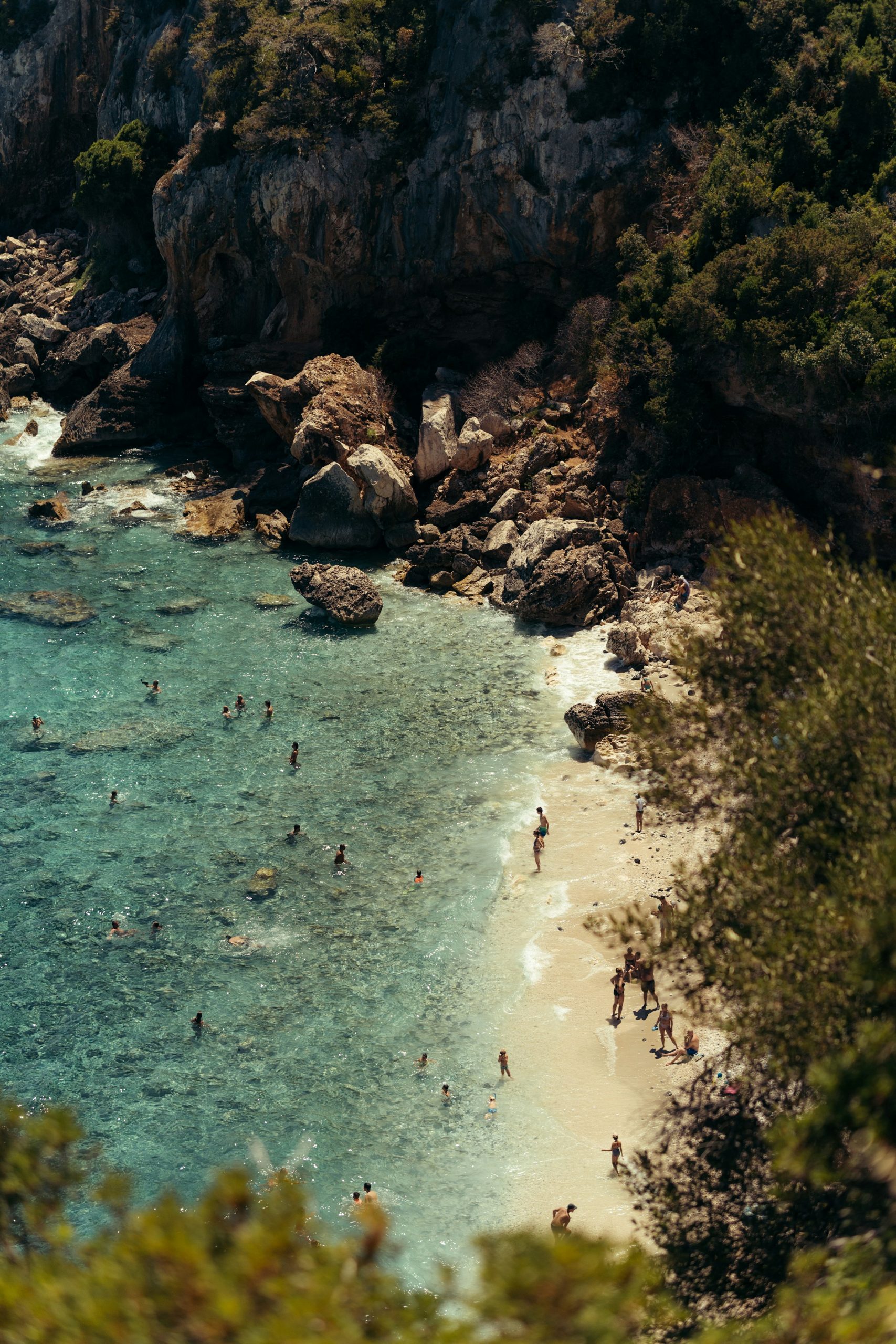
The first impression is almost surreal. The landscape is defined by a striking contrast of colors: bright red granite rocks shaped by wind and sea over centuries, powdery white sand, and shallow waters glowing in shades of turquoise and emerald. It is a palette that feels more like a painting than a real place, and yet it is entirely natural.
What sets Palombaggia apart, and secures its place among the world’s top beaches, is the combination of geological uniqueness and Mediterranean character. The reddish rock formations, sculpted into smooth and sometimes dramatic shapes, create a scenery that feels almost otherworldly.
Under the Shade of Ancient Pine Trees
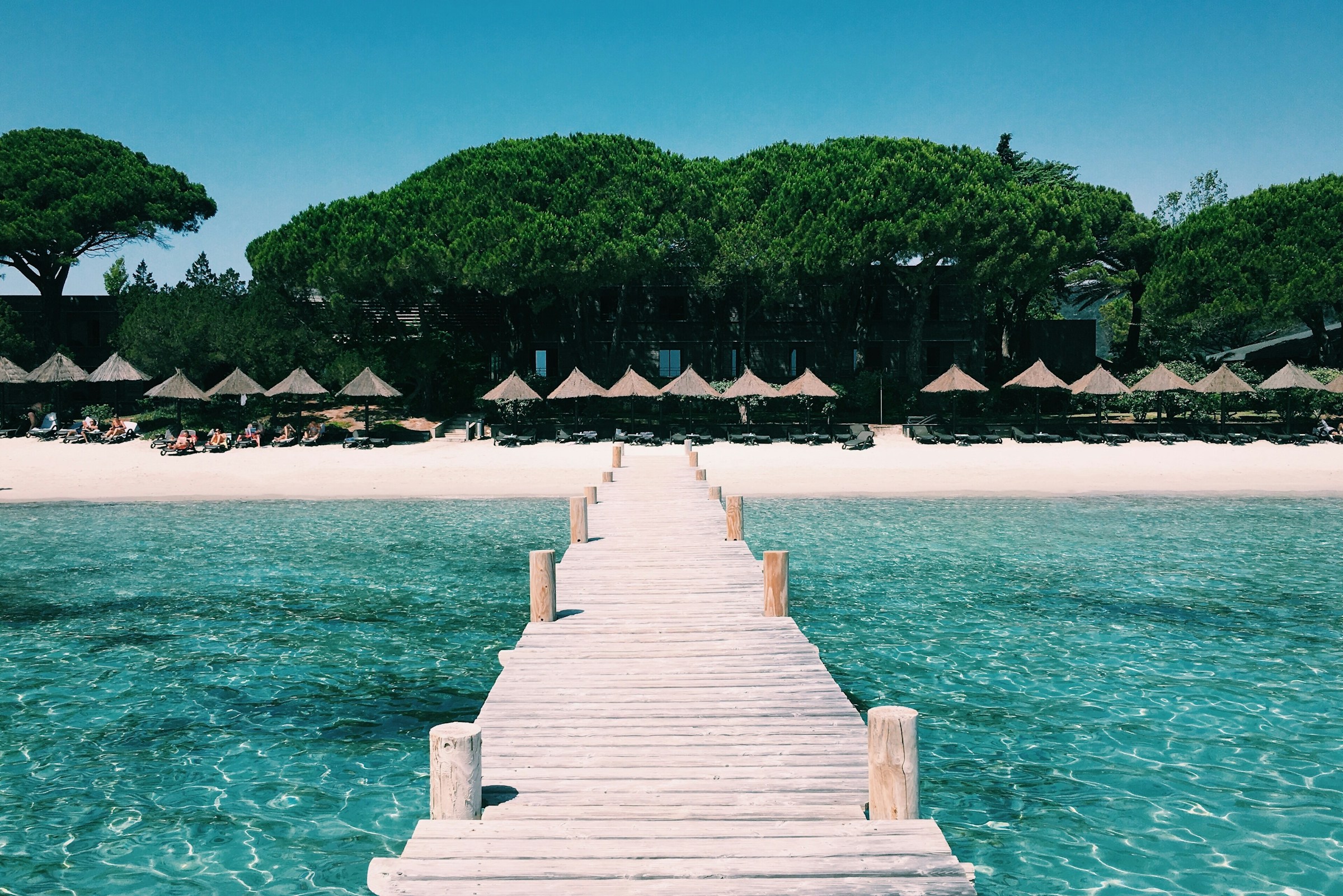
Unlike tropical beaches lined with palm trees, the shade here comes from ancient umbrella pines. These tall trees stretch toward the shoreline, offering natural shelter from the sun and giving the beach a distinctly Corsican identity.
The Water: Shallow and Crystal-Clear
Another defining feature is the water itself. The sea remains shallow and crystal-clear for dozens of meters inland – often extending 30 to 50 meters (approximately 98 to 164 feet) before deepening.
This makes it especially appealing for families, swimmers, and photographers seeking those iconic, glassy reflections. During the warmer months, sea temperatures typically range between 22°C and 26°C (about 72°F to 79°F), providing ideal conditions for long, relaxing swims.
The experience at Palombaggia goes beyond simply lying on the sand. The clarity of the water makes snorkeling accessible even without professional gear, especially around the rocky sections where marine life thrives.
It’s Not Just the Beach – It’s the Area
For those who prefer to stay on land, there are scenic walking paths weaving through dunes and protected coastal zones, offering a quieter way to explore the area.
At the same time, the beach does not lack comfort. Elegant seaside establishments, known locally as paillotes, serve fresh seafood and chilled Corsican rosé, blending luxury with a laid-back atmosphere.
The Best Time to Visit
For travelers planning a visit in 2026, timing can make all the difference. While July and August bring peak temperatures and vibrant energy, they also attract large crowds.
Visiting in May, June, or September offers a more balanced and pleasant experience, with warm weather and fewer people.
Summer air temperatures typically range from 25°C to 32°C (77°F to 90°F), while heatwaves can occasionally push temperatures higher.
Access, Reservations and Accomodation
Access to the beach requires some planning. Parking can be limited, particularly during high season. There are free parking areas toward the northern sections, but many visitors rely on paid parking near beach restaurants.
Reservations have also become increasingly important. In 2026, securing a spot at popular beach clubs often requires booking weeks in advance, especially during peak travel periods.
Despite its popularity, Palombaggia has managed to preserve much of its natural charm. The area is part of a protected coastal zone, and strict regulations prevent construction directly on the beach.
Hotels and accommodations are typically hidden within the surrounding hills, ensuring that the shoreline remains largely untouched.
Visitors are encouraged to respect this fragile environment by staying on designated paths and avoiding damage to the dunes and pine trees.
Parts of Palombaggia Are More Quiet and Secluded
There is also a lesser-known detail that adds to the beach’s appeal. Palombaggia is divided into several smaller sections by natural rock formations.
Those willing to walk a bit further can often find quieter, more secluded spots – even during the busiest weeks of the year.
In the end, the question is not whether Palombaggia deserves its reputation, but rather how it has managed to maintain its beauty while gaining global recognition. It is a rare balance of accessibility, authenticity, and natural wonder.
If France is often described as the crown of European tourism, then Palombaggia is undoubtedly one of its brightest jewels.
Sources:
Tripadvisor (Traveler’s Choice Awards – Best of the Best Beaches in Europe)