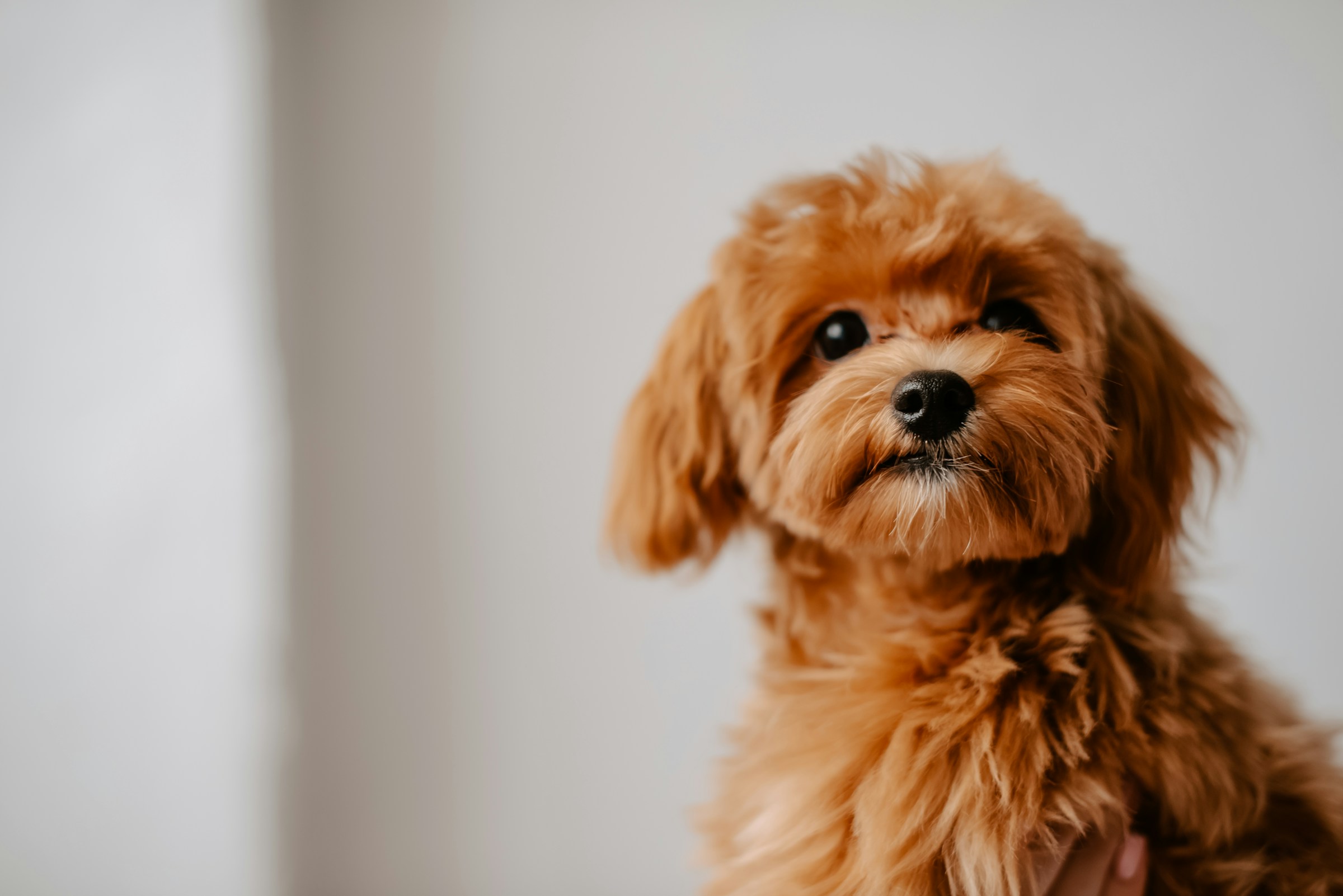
Forget the sommelier and the head butler. In some of the world’s most storied hotels, the most important member of staff has whiskers, and absolutely no interest in your checkout time.
More Than a Mascot: An Institution
Imagine arriving at a legendary hotel after a long transatlantic flight. The doorman takes your luggage. The lobby gleams with marble and fresh flowers.
And then, from behind the reception desk, a pair of eyes regards you with the particular combination of welcome and mild disdain that only a cat can produce with any credibility.
You have not been greeted by the concierge. You have been assessed by someone considerably more important.
In the world of luxury hospitality, animals occupy a peculiar and increasingly studied role. They are not simply pets, not merely decorative, and not – as their hotels’ marketing departments will tell you, correctly – accidents.
They are brand managers with fur, living symbols of continuity and character in an industry that increasingly struggles to differentiate one five-star experience from another.
In a world of identical thread counts and standardised pillow menus, a cat with a name and a history is something that no amount of renovation budget can manufacture. These are their stories.
90+ years the Algonquin Hotel has maintained a resident cat
37k+ Instagram followers of Matilda the Algonquin Cat
1 dedicated personal assistant – Matilda’s, not yours
The Algonquin Cat: Manhattan’s Most Famous Literary Resident
The Algonquin Hotel on West 44th Street in Midtown Manhattan has been many things in its 120-year history: the meeting place of the legendary Round Table, where Dorothy Parker and her circle of writers and critics gathered through the 1920s; a refuge for visiting actors, playwrights, and publishing figures; and one of New York’s most reliably atmospheric addresses. But ask most people what they know about the Algonquin, and the answer is as likely to involve a cat as a cocktail.
The tradition began in the 1930s, when a stray cat wandered in from the street and was adopted by the hotel’s then-manager, Frank Case. Case named him Hamlet.
The name has stuck – with modifications. Every male cat resident since has been called Hamlet; every female, Matilda.
The current incumbent is Matilda III, a ragdoll of considerable poise who has occupied the hotel’s lobby since 2010 and who, by any reasonable measure, has a better work-life balance than most of the publishing professionals who walk past her daily.
A WORKING DAY IN THE LIFE OF MATILDA
The Algonquin does not treat its feline residency as a charming afterthought. Matilda has a dedicated personal assistant – a human one – who manages her correspondence (she receives a substantial volume of fan mail), oversees her social media presence, and coordinates her annual charity fashion show: the Cat Fashion Show, held each autumn, in which New York designers create miniature couture pieces for animal models, with proceeds going to a local animal welfare charity.
Matilda herself does not walk the runway. She has people for that. She also has a formal rule prohibiting her from entering the hotel kitchen – not because she has ever shown any interest in doing so, but because protocol requires it.
What the Algonquin has understood, and what its competitors have slowly come to recognise, is that Matilda is not a distraction from the hotel’s identity – she is its most concentrated expression.
She connects the hotel to its literary history, provides a point of genuine warmth in a lobby that might otherwise feel intimidatingly refined, and generates the kind of organic, affectionate word-of-mouth that no advertising campaign can replicate.
“She connects the hotel to its literary history, provides genuine warmth in a lobby that might otherwise feel intimidatingly refined, and generates word-of-mouth that no advertising budget can replicate.”
Eastern Hospitality: The Shiba Inu of the Japanese Ryokan
The concept of the animal-as-host is not exclusively Western, and in Japan it takes a form that is, in some ways, more philosophically coherent than anywhere else.
The traditional Japanese inn – the ryokan – is built around a hospitality philosophy that emphasises attentiveness, simplicity, and the careful management of atmosphere.
The role of the okami (the female innkeeper who manages the human dimension of the guest experience) is one of the most refined service positions in the world.
In a small number of family-run ryokan, particularly in rural areas, a shiba inu – Japan’s ancient native dog breed, characterised by a composed, alert temperament and a dignified bearing that reads to Western visitors as almost uncannily well-mannered – serves as the establishment’s unofficial first point of contact.
The dog greets arriving guests at the entrance, accompanies the okami on her rounds, and sits at the threshold of the common areas with a stillness that seems less like animal behaviour than a considered contribution to the inn’s atmosphere.
THE SHIBA INU AS RYOKAN PHILOSOPHY
The shiba inu’s particular temperament makes it an unusually apt choice for this role. The breed is naturally reserved with strangers – not shy, but measured; it observes before engaging, which mirrors the ryokan’s own unhurried approach to hospitality.
Its calm presence in an entrance hall communicates something about the establishment that no welcome sign can: that this is a place where composure is valued, where things happen at their own pace, and where the guest’s comfort is understood to include the comfort of not being overwhelmed.
Four-Pawed Staff Around the World
The Lanesborough
LONDON, HYDE PARK CORNER
Lilibet – Siberian Forest Cat, Chief Morale Officer
One of London’s most formal and expensive addresses – the converted St George’s Hospital on Hyde Park Corner – might not seem like a natural habitat for a cat.
Lilibet, a silver Siberian Forest Cat, appears to disagree. Named with a characteristically English affection for the late Queen Elizabeth II’s family nickname, she navigates the hotel’s corridors with the authority of someone who has read the lease and found her position well protected.
Her presence softens what might otherwise be an intimidatingly correct environment, and the hotel’s staff speak of her with the particular fond exasperation that cats reliably inspire in people who have decided to work with them.
Le Bristol Paris
PARIS, 8TH ARRONDISSEMENT
Fa-Raon – Burmese Cat, Resident Ambassador
Le Bristol is the kind of hotel that makes other luxury hotels feel slightly insufficient: a 19th-century palace on the Rue du Faubourg Saint-Honoré, yards from the Élysée, with a garden pool and a three-Michelin-star restaurant.
Its feline resident, Fa-Raon – a Burmese cat whose Egyptian name (Pharaoh) gives some indication of the hotel’s sense of humour about its own grandeur – has his own room, decorated to a specification that would not embarrass a human guest.
He is, in the words of the hotel’s management, an essential member of the team, circulating through the garden during fine weather and occasionally appearing at the bar with the air of someone who has arrived to check on the quality of his order.
The St. Regis Aspen
ASPEN, COLORADO
Kitty – Bernese Mountain Dog, Director of Pet Relations
Kitty, the hotel’s Bernese Mountain Dog, holds the official title of Director of Pet Relations and a genuinely functional role: she oversees the property’s dog-friendly programme, accompanies guests on morning hikes when invited, and serves as the living argument that luxury travel and animal companionship are not in tension but actively complementary.
The programme she nominally directs includes bespoke in-room amenity kits for canine guests, a dedicated pet menu, and a list of dog-friendly trails curated by the concierge team.
Why Hospitality Invests in Four-Pawed Managers
The business logic behind resident hotel animals has moved, over the past decade, from intuition to something approaching evidence.
Research in environmental psychology consistently demonstrates that the presence of animals reduces cortisol levels and lowers perceived stress in humans – effects that are particularly valuable in hotel lobbies, where guests are often tired, disoriented, and operating at elevated anxiety levels.
A cat on the reception desk accomplishes, without any active effort, something that expensive interior design schemes often fail to achieve: it makes the space feel inhabited rather than managed, lived-in rather than performed.
The marketing dimension has become, if anything, more powerful than the psychological one. The social media accounts of hotel animals now routinely outperform the hotels’ own channels in engagement rate.
But the deepest driver is something less quantifiable: loyalty. Guests return to the Algonquin not because its rooms are the best in New York, but because they want to see Matilda again.
They return to Le Bristol because Fa-Raon was sitting in the lobby when they got engaged, or arrived back after a difficult meeting. An animal cannot be replicated, renovated away, or replaced by a better algorithm. It simply is what it is – and that, in 2026, turns out to be extraordinarily valuable.
The Future of Hospitality Has a Tail
In an era of contactless check-in, AI concierge services, and the steady automation of the hotel experience, the resident animal represents something genuinely resistant to the prevailing direction of travel.
It cannot be digitised. It does not follow a service script. It will occasionally ignore an important guest and devote its full attention to someone in a perfectly ordinary room on a perfectly ordinary Wednesday.
Hotels are, at their most fundamental level, in the business of making people feel at home in unfamiliar places. An animal – present, warm, indifferent to status – does this more efficiently than almost any other single intervention available to a hospitality operator.
Next time you check in somewhere extraordinary, look down before you look up. The most important person in the room may be a great deal closer to the floor than you expected. And if you want to leave a tip – check first whether the concierge would prefer a treat.
Sources and Further Reading:
- The Algonquin Hotel, New York – official history and Matilda’s residency documentation (algonquinhotel.com)
- Le Bristol Paris – official documentation of Fa-Raon’s residency (lebristolparis.com)
- The Lanesborough, London – resident animal programme (lanesborough.com)
- St. Regis Aspen Resort – pet programme and Director of Pet Relations
- Barker, R.T. & Wolen, A.R. – “A review of the literature on companion animal-human relationships,” Journal of Veterinary Behavior: Clinical Applications and Research, 2008
- Wells, D.L. – “The effects of animals on human health and well-being,” Journal of Social Issues, Vol. 65(3), 2009 – on cortisol reduction and animal contact in unfamiliar environments
- American Hotel & Lodging Association (AHLA) – pet-friendly hospitality trend data (ahla.com )
- Condé Nast Traveler – “The world’s most famous hotel animals” (cntraveler.com)
- The New York Times – feature coverage of the Algonquin Cat tradition and Matilda’s brand role


