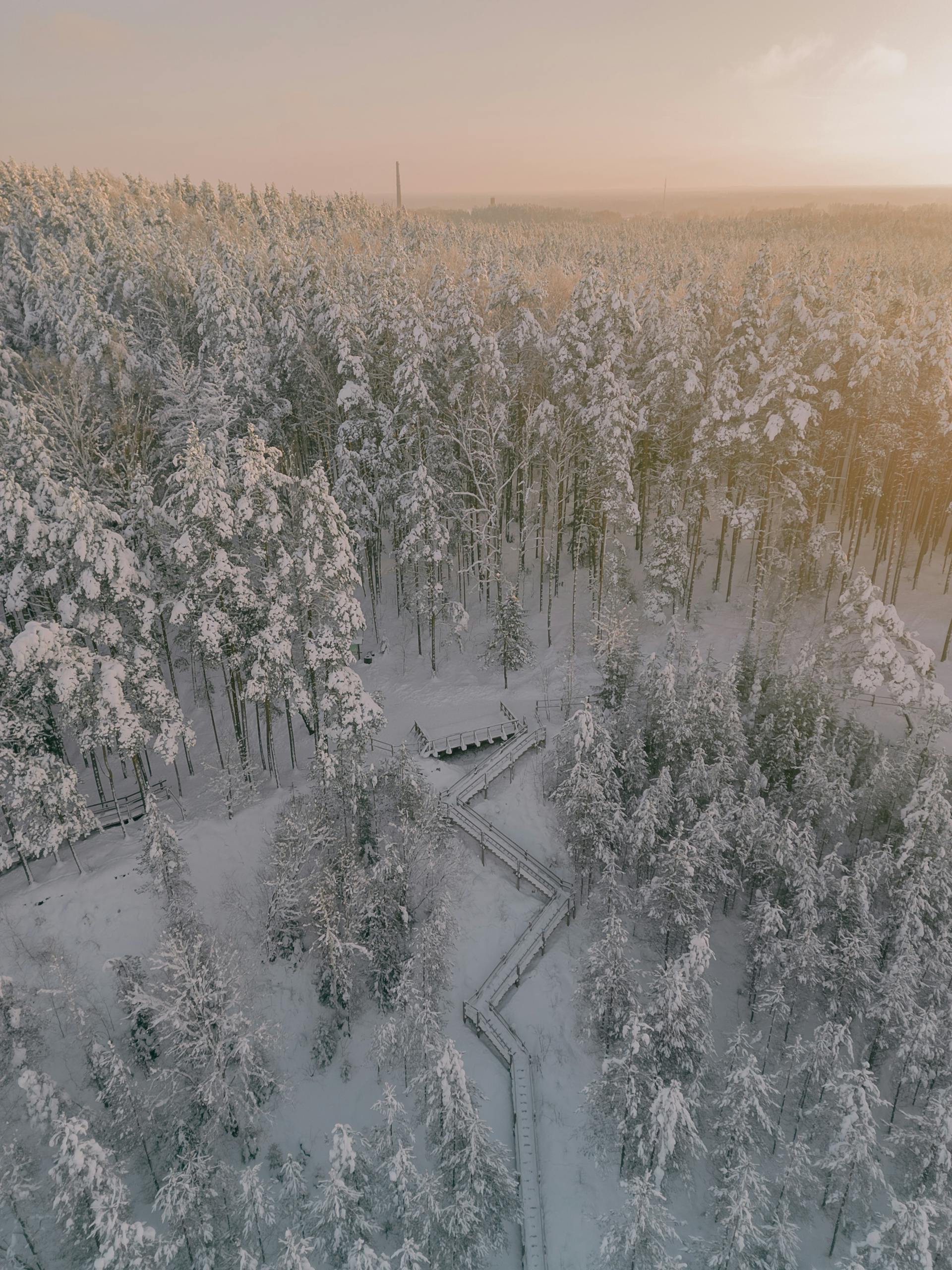
Europe is bracing for a deepening winter cold spell as meteorologists warn that Arctic air masses will continue to push southward across the continent in the coming days, with particularly severe conditions after January 10th.
The cold snap is already having serious consequences, and forecasts suggest that Central, Eastern and Southeastern Europe may experience the harshest conditions yet this winter.
According to the European Centre for Medium-Range Weather Forecasts (ECMWF) and multiple national meteorological agencies, a disrupted jet stream pattern is allowing polar air to spill deep into Europe, triggering widespread snowfall, icy conditions, and dangerously low temperatures.
Deadly Impacts Already Reported
As reported by Euronews, the cold snap has already proven deadly. At least six people have died across Europe in recent days due to weather-related incidents, including exposure to extreme cold, traffic accidents on icy roads, and falling trees caused by snow accumulation and ice.
Euronews reports that transport networks across several countries have been severely disrupted, with hundreds of flights delayed or cancelled, rail services suspended or operating at reduced capacity, and major road closures due to snow, ice, and accidents.
Emergency services in multiple countries remain on high alert as conditions continue to deteriorate.
What Is Causing This Winter Pattern?
Meteorologists point to a blocked atmospheric circulation pattern, with high-pressure systems over the North Atlantic and Scandinavia diverting cold Arctic air southward.
This configuration prevents milder Atlantic air from reaching much of Europe, allowing cold air to persist and intensify.
According to ECMWF ensemble forecasts, this pattern could remain in place for several days, increasing the likelihood of prolonged cold rather than a short-lived cold snap.
Very Low Temperatures All Across Europe
Severe winter conditions are already firmly established across parts of northern and northwestern Europe, where an Arctic air mass has brought heavy snowfall, icy temperatures, and widespread disruption.
Germany
Germany has reported significant snow accumulations in several regions, particularly in the north and west, leading to traffic delays, rail disruptions, school closures, and localized power outages.
Scandinavia
Similar conditions are affecting Scandinavia where temperatures in the northern parts of Norway, Sweden and Finland dropped to –30°C (–22°F).
The Netherlands and UK
The Netherlands, and parts of the UK, especially Scotland, also experienced freezing temperatures, icy roads, and strong winter winds which have seriously complicated and disrupted travel plans of many.
Meteorological agencies warn that the cold air is now pushing south and east, setting the stage for a broader cold spell across central and eastern Europe in the coming days.
Poland and the Baltics
Over the next few days Poland is expected to experience very low temperatures of between –3°C and –6°C (21°F and 12°F), remaining well below freezing even during the day. Even colder weather is expected in Latvia, Lithuania, and Estonia, where temperatures can drop to –20°C (–4°F).
Austria: Heavy Alpine Snow and Severe Frost in Valleys
Austria is expected to be one of the most affected countries by the incoming Arctic air mass, particularly in alpine regions.
According to ZAMG (Austria’s national meteorological service) and ECMWF, significant snowfall is forecast across the Alps, with snow accumulations exceeding 50-80 cm (20-31 inches) at higher elevations by mid-January. Some exposed mountain areas could see even higher totals.
In lowland valleys and basins, night-time temperatures may drop to –15°C to –20°C (5°F to –4°F), especially where snow cover clears and winds weaken. Daytime temperatures are expected to remain well below freezing in many regions.
Travel disruptions are likely, particularly on alpine passes and rail routes, while avalanche risk is expected to rise sharply in western and central Austria.
Hungary: Bitter Cold and Persistent Freezing Conditions
Hungary is forecast to experience prolonged freezing conditions, with cold air settling across the Carpathian Basin.
According to the Hungarian Meteorological Service (OMSZ), minimum temperatures could fall to –12°C to –18°C (10°F to 0°F) in rural areas, with locally lower values possible under clear skies. Daytime temperatures are expected to hover between –5°C and 0°C (23°F to 32°F).
Snowfall is likely to be moderate rather than extreme, but combined with freezing temperatures, icy roads and pavements may cause widespread travel difficulties. River fog and frost may further reduce visibility in the mornings.
Western Balkans
The Western Balkans, including Serbia, Bosnia and Herzegovina, Montenegro, North Macedonia, and parts of Croatia, are expected to face a combination of heavy snowfall, strong winds, and sharp temperature declines.
Regional meteorological services and MeteoAlarm warn that mountain regions could receive 30-70 cm (12-28 inches) of snow, with blizzard-like conditions in exposed areas. Lowland and urban areas may see lighter snow but rapid freezing overnight. Night-time temperatures could fall to –10°C to –15°C (14°F to 5°F) inland.
Coastal areas along the Adriatic are likely to remain slightly milder, but strong bora winds could lead to hazardous conditions, especially for ferry traffic and coastal roads.
Bulgaria
The National Institute of Meteorology and Hydrology (NIMH) warns that nighttime temperatures in inland regions and mountain basins could fall to –15°C to –20°C (5°F to –4°F) under clear skies. Snow cover may further intensify nighttime cooling, keeping daytime temperatures well below freezing.
Romania
Romania’s National Meteorological Administration (ANM) forecasts minimum temperatures of –20°C to –25°C (–4°F to –13°F) in northeastern and eastern regions. Such values are severe but remain within Romania’s historical winter climate norms.
Greece
The Hellenic National Meteorological Service (HNMS) reports that northern and central Greece may experience heavy snowfall, particularly in mountainous regions and parts of Macedonia and Thessaly. While some local media have suggested extreme snowfall nationwide, meteorologists emphasize that southern and island regions are more likely to see cold rain and gusty winds, with snow mainly confined to higher elevations.
Snow, Ice, and Major Travel Disruptions
According to Euronews, MeteoAlarm, and national weather agencies, the cold wave has already caused icy roads and motorway closures, airports operating under winter contingency plans, and delays to international rail services.
The combination of snowfall followed by plunging temperatures raises the risk of black ice, one of the most dangerous winter hazards for both drivers and pedestrians.
Tourism authorities and transport operators are advising travelers to check local conditions frequently, especially when crossing borders or traveling through mountainous regions.
How Reliable Are These Forecasts?
Meteorologists stress that while the cold trend is highly likely, exact temperature extremes and snowfall totals depend on cloud cover, wind strength, and snow depth.
ECMWF probability models currently show a high likelihood of temperatures remaining well below seasonal averages across much of Central and Eastern Europe for several consecutive days.
Extreme values such as –20°C to –25°C are considered high-impact but plausible scenarios, particularly during clear nights.
What This Means for Travelers
For travelers planning trips across Europe in mid-January, the cold spell could significantly affect itineraries.
While winter resorts may benefit from fresh snowfall, city travel and road transport could face ongoing disruptions.
Experts recommend allowing extra travel time, monitoring official weather warnings, preparing for winter driving conditions, and being flexible with travel plans.
Outlook: How Long Will the Cold Last?
Forecasts suggest temperatures may begin to moderate later in January, but winter conditions are expected to persist across northern and eastern Europe. Further outbreaks of cold air cannot be ruled out, depending on how long the atmospheric blocking pattern remains in place.
As the situation continues to evolve, meteorological agencies will issue updated warnings and advisories over the coming days.
Sources:
- Euronews
- European Centre for Medium-Range Weather Forecasts (ECMWF)
- National Institute of Meteorology and Hydrology (Bulgaria)
- Romanian National Meteorological Administration (ANM)
- Hellenic National Meteorological Service (HNMS)
- MeteoAlarm


