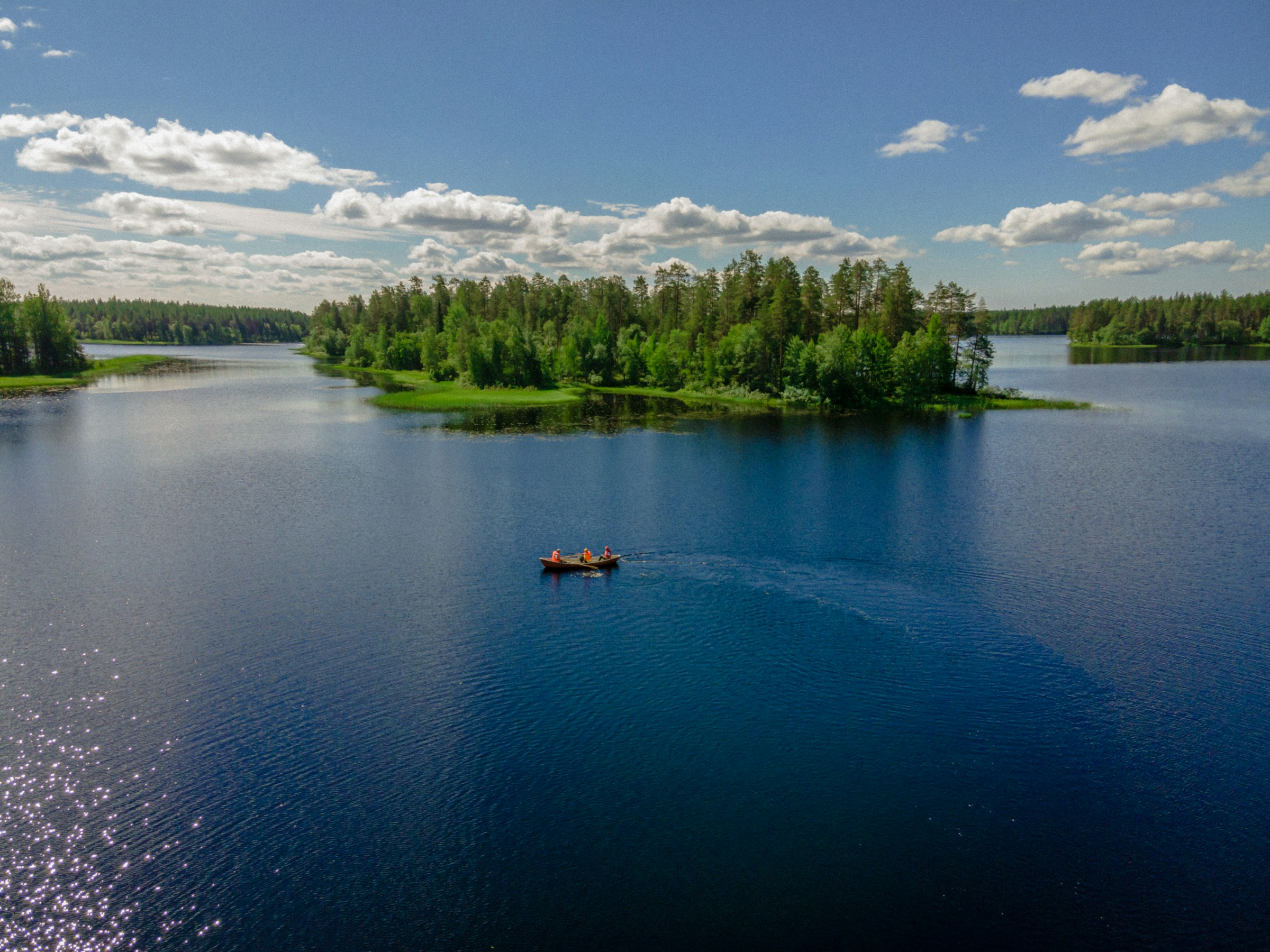
From Iceland’s volcanic landscapes to New Zealand’s remote coastlines, these destinations offer travelers a chance to explore nature without the constant concern of venomous snakes, deadly land predators or other high-risk wildlife encounters.
For some travelers, the perfect vacation involves tracking wildlife across a rainforest, diving among sharks or hiking through landscapes inhabited by formidable predators.
For others, the ideal adventure is a little less intimidating: beautiful scenery, open trails and the freedom to explore without worrying about what might be hiding in the undergrowth. The good news is that not all destinations present the same wildlife risks.
Countries differ significantly in their native animal populations, the presence of venomous species, the prevalence of animal-borne diseases and the likelihood of dangerous encounters. Island geography, climate and isolation have helped shape wildlife communities in places such as Iceland, Ireland and New Zealand.
There is, however, no authoritative global ranking of countries with the fewest dangerous animals. The following selection is an editorial guide based on the relative risk of encountering medically significant terrestrial wildlife, the absence of certain high-risk animal groups and the practical experience of ordinary visitors.
It is not a ranking of overall travel safety, nor does it mean these destinations are entirely free of wildlife hazards.
1. Iceland
Best for: Remote landscapes, road trips and hiking
Iceland is an exceptional choice for travelers who want dramatic wilderness without the large terrestrial predators and venomous snakes found in many other parts of the world. The island’s isolation and harsh climate have limited the diversity of its land mammals.
According to the Icelandic Institute of Natural History, Iceland has a comparatively limited terrestrial fauna, shaped in part by its geographical isolation. Snakes and other reptiles do not naturally thrive in the country’s outdoor environment.
Visitors are far more likely to encounter seabirds, sheep, horses and marine wildlife than dangerous land animals. That does not make Iceland risk-free.
Its weather can change rapidly, and volcanic activity, powerful waves, icy roads and remote hiking routes can present serious hazards. For most visitors, the natural environment itself demands considerably more attention than potentially dangerous terrestrial animals.
Why it makes the list: Limited dangerous terrestrial wildlife and an environment where the main risks are generally associated with weather, terrain and the sea.
2. New Zealand
Best for: Hiking, road trips and outdoor adventures
New Zealand offers an unusual combination: spectacular wilderness, distinctive native wildlife and an absence of established wild snake populations.
The country’s Ministry for Primary Industries explicitly identifies New Zealand as free of snakes, scorpions and most of the dangerous wildlife groups commonly associated with tropical destinations. Its strict biosecurity measures help prevent non-native species from becoming established.
That makes the country particularly attractive to visitors who enjoy walking through forests, exploring coastlines and camping outdoors.
Nevertheless, New Zealand’s wilderness is not without hazards. Sandflies can be persistent, marine animals deserve respect, and remote hiking routes can expose visitors to rapidly changing weather. Ocean currents and cold water are also important considerations for swimmers and surfers.
Why it makes the list: No established wild snakes and relatively few of the dangerous terrestrial animals that make some tropical destinations more challenging.
3. Ireland
Best for: Countryside escapes and relaxed walking holidays
Ireland is a compelling destination for travelers who prefer green landscapes, coastal villages and countryside walks without worrying about encountering a wild venomous snake.
The National Museum of Ireland notes that snakes have never been native to the island. Its native reptile fauna is exceptionally limited, with the common lizard representing its only native reptile.
The countryside is still home to foxes, deer, badgers and other mammals, while the surrounding waters support seals and various marine species. These animals generally pose little threat to visitors who observe them responsibly.
Ticks and biting insects can still be an issue in suitable habitats, particularly during warmer months. As elsewhere, avoiding contact with unfamiliar animals remains sensible.
Why it makes the list: No native wild snake population and few terrestrial wildlife encounters likely to pose a major threat to ordinary tourists.
4. Singapore
Best for: Urban travel, family holidays and city exploration
Singapore demonstrates that travelers do not need to venture into remote wilderness to enjoy nature.
The city-state combines a highly developed urban environment with nature reserves, tropical gardens and extensive green spaces. Visitors can explore places such as Gardens by the Bay, the Singapore Botanic Gardens and the island’s network of park connectors without undertaking remote jungle expeditions.
However, Singapore is not devoid of dangerous wildlife. Monitor lizards, macaques, snakes and other animals inhabit some parks and green corridors. Mosquitoes are also an important public-health concern in the tropics.
The key distinction is that many visitors can enjoy Singapore’s natural attractions while staying close to developed infrastructure and following clearly established park guidelines.
Why it makes the list: Excellent access to nature with relatively easy access to urban services, provided visitors respect wildlife and take precautions against insects.
5. Finland
Best for: Lakes, forests and summer outdoor holidays
Finland’s forests, lakes and national parks offer a classic northern European wilderness experience.
The country has wildlife that deserves respect, including brown bears, wolves, lynx and venomous vipers. Yet the presence of these species does not mean that visitors are likely to encounter them on a typical city break or a well-planned visit to popular outdoor destinations.
Most travelers spend their time on marked trails, around lakes, in towns or in designated recreation areas. With sensible precautions, these settings can provide a rewarding nature holiday without frequent close encounters with large predators.
Ticks are a more practical concern in some areas and seasons, particularly for people spending extended periods in forests and tall grass.
Why it makes the list: Wildlife encounters can be managed through sensible planning, established trails and respect for animal habitats, although Finland is not free of potentially dangerous species.
6. Norway
Best for: Fjords, mountain scenery and scenic road trips
Norway’s appeal lies in its fjords, mountain landscapes, coastal villages and spectacular hiking opportunities.
The country has large mammals, including bears and wolves in some regions, as well as moose and musk oxen in particular areas. Venomous adders also occur. These species should not be dismissed, but dangerous encounters are not an inevitable part of a conventional Norwegian holiday.
For many visitors, the more immediate challenges are steep terrain, unpredictable mountain weather, cold water and the need to prepare adequately for remote excursions.
Norway’s visitor guidance recommends staying on marked trails, planning outdoor activities carefully and observing wildlife from a distance.
Why it makes the list: Many popular visitor experiences can be enjoyed with a low likelihood of close contact with dangerous wildlife, especially when routes and activities are chosen carefully.
7. Sweden
Best for: Forest cabins, lakes and outdoor recreation
Sweden offers extensive forests, lakes, islands and outdoor recreation areas that attract travelers seeking quiet and accessible nature.
Its wildlife includes moose, bears, wolves and venomous vipers. However, the presence of these animals does not translate into a high probability of encountering them during ordinary sightseeing.
Travelers can spend days exploring cities, coastal communities and well-used recreational areas without entering the habitats most associated with large predators.
As in other northern European countries, ticks can be a more relevant everyday concern than direct encounters with large mammals. Visitors should also avoid approaching moose, particularly when calves are present.
Why it makes the list: A strong choice for nature-oriented travel where responsible outdoor habits help keep wildlife encounters manageable.
8. Denmark
Best for: Coastal holidays, cycling and family travel
Denmark is an attractive option for visitors seeking coastal scenery, cycling routes, islands and accessible countryside.
Its landscapes lack the large terrestrial predators that characterize some of Europe’s more remote wilderness areas. Although venomous adders and other potentially hazardous animals occur, most visitors are unlikely to encounter them during conventional urban sightseeing, cycling holidays or stays at established coastal resorts.
Denmark’s extensive network of settlements, roads and recreational facilities also makes it relatively easy to plan outdoor activities without venturing into isolated terrain.
Biting insects and ticks remain possible in natural areas, and coastal conditions can create their own risks.
Why it makes the list: A largely accessible landscape with few large terrestrial predators and a wide range of outdoor activities that do not require remote wilderness travel.
9. United Kingdom
Best for: Countryside walks, national parks and coastal escapes
The United Kingdom offers a wide range of outdoor experiences, from the Scottish Highlands to the national parks of England and Wales.
It has no established population of large terrestrial predators such as wild wolves or bears on the British mainland, although its wildlife includes deer, seals, foxes and other mammals. The adder, Britain’s only native venomous snake, occurs in parts of the country, so encounters are possible, particularly in suitable heathland and woodland habitats.
For most tourists, wildlife-related risks are limited when animals are left undisturbed and walking routes are chosen sensibly.
Ticks can carry infections in some areas, making basic precautions advisable for hikers and campers.
Why it makes the list: A broad range of countryside experiences without the large terrestrial predators found in some other wilderness destinations.
10. Japan
Best for: Cities, cultural travel and organized sightseeing
Japan rounds out the list because its highly developed transport network and extensive urban destinations make it possible to enjoy an extraordinary range of experiences without spending time in remote wildlife habitats.
Tokyo, Osaka and Kyoto offer temples, museums, gardens, shopping districts and public transport connections that make wildlife encounters an unlikely part of most city itineraries.
Japan is not, however, a country with uniformly low wildlife risk. Venomous snakes occur, wild boars can be encountered in some areas, and bears inhabit parts of the country. Hikers and visitors to rural or mountainous regions must take these risks seriously.
For a traveler whose priority is to minimize encounters with potentially dangerous animals, a predominantly urban itinerary is a more suitable choice than remote hiking or wilderness camping.
Why it makes the list: The ability to enjoy a rich travel experience while keeping most activities within well-developed urban and cultural destinations.
What travelers should know before booking
A destination’s wildlife profile is only one part of the safety equation. A country with few dangerous land animals can still present serious risks from ocean currents, extreme weather, ticks or limited access to emergency services.
Travelers can reduce their exposure to wildlife-related hazards by following a few basic principles:
- Stay on marked trails and obey local park guidance.
- Never approach, feed or attempt to handle wild animals.
- Use insect repellent and check for ticks after spending time outdoors.
- Research seasonal hazards before hiking, swimming or camping.
- Seek medical advice promptly after an animal bite or scratch, particularly where rabies may occur.
Official travel-health guidance from the World Health Organization and national health authorities can help travelers understand the risks associated with specific destinations.
The bottom line
For travelers who want to minimize the likelihood of encountering dangerous terrestrial wildlife, Iceland, New Zealand and Ireland stand out for their distinctive geographic and ecological characteristics.
Singapore offers a different advantage: access to nature within a highly developed urban setting. Meanwhile, destinations such as Finland, Norway and Sweden provide excellent opportunities to explore the outdoors, provided visitors understand that large mammals, venomous snakes and ticks are part of their natural environments.
Ultimately, the safest wildlife destination is not necessarily the country with the fewest animal species. It is the place where travelers can choose activities suited to their comfort level, understand the local environment and enjoy nature without taking unnecessary risks.
Editorial note: This list is a qualitative travel guide, not a scientifically validated ranking. It does not compare countries using a standardized database of animal species, bite incidents or wildlife-related deaths. Individual risk varies by region, season and activity.
Sources:
- New Zealand Ministry for Primary Industries mpi.govt.nz
- Icelandic Institute of Natural History natt.is
- National Museum of Ireland source.museum.ie
- World Health Organization (WHO) iris.who.int
- U.S. Centers for Disease Control and Prevention (CDC) wwwnc.cdc.gov
- Visit Norway visitnorway.com


