From Thailand’s Maya Bay to the canals of Venice, some of the world’s most famous waters come with rules that can surprise tourists, and the reasons go far beyond safety.
The water looks irresistible, and that is often exactly the problem. At some of the world’s most photographed beaches, lagoons, lakes and coastal landmarks, tourists can admire the water, walk beside it and take pictures of it, but they can’t necessarily get in.
The restrictions can seem strange at first. At Thailand’s famous Maya Bay, visitors are allowed into the water only within a tightly controlled area and are not permitted to swim.
At Croatia’s spectacular Plitvice Lakes, swimming is prohibited throughout the national park. In Venice, jumping into a canal can result in a fine.
These rules aren’t designed to spoil your vacation. They reflect a growing reality of modern tourism: some of the world’s most fragile attractions simply cannot withstand unlimited access.
Maya Bay: The Beach That Became Too Popular
Few places illustrate the problem better than Maya Bay, the spectacular cove on Thailand‘s Phi Phi Leh island.
The bay became globally famous after appearing in the 2000 film The Beach, turning an already beautiful destination into an international tourism phenomenon.
Then the crowds arrived. Thousands of visitors could descend on the small bay in a single day, putting enormous pressure on its coral reefs and marine ecosystem.
In 2018, Thai authorities closed Maya Bay completely. The closure was not temporary in the ordinary sense. It lasted for years while authorities allowed the ecosystem to recover and worked on a new system for managing visitors.
When the bay reopened, the rules were radically different. Visitors could see the beach – but they could no longer simply swim wherever they wanted.
Thailand’s Department of National Parks has described the restrictions as part of an effort to balance tourism with the recovery and protection of the bay’s natural resources, including coral.
The lesson is important. A beautiful place can become a victim of its own popularity. And Maya Bay isn’t the only destination where authorities have reached that conclusion.
Croatia’s Plitvice Lakes: Don’t Step Into the Water
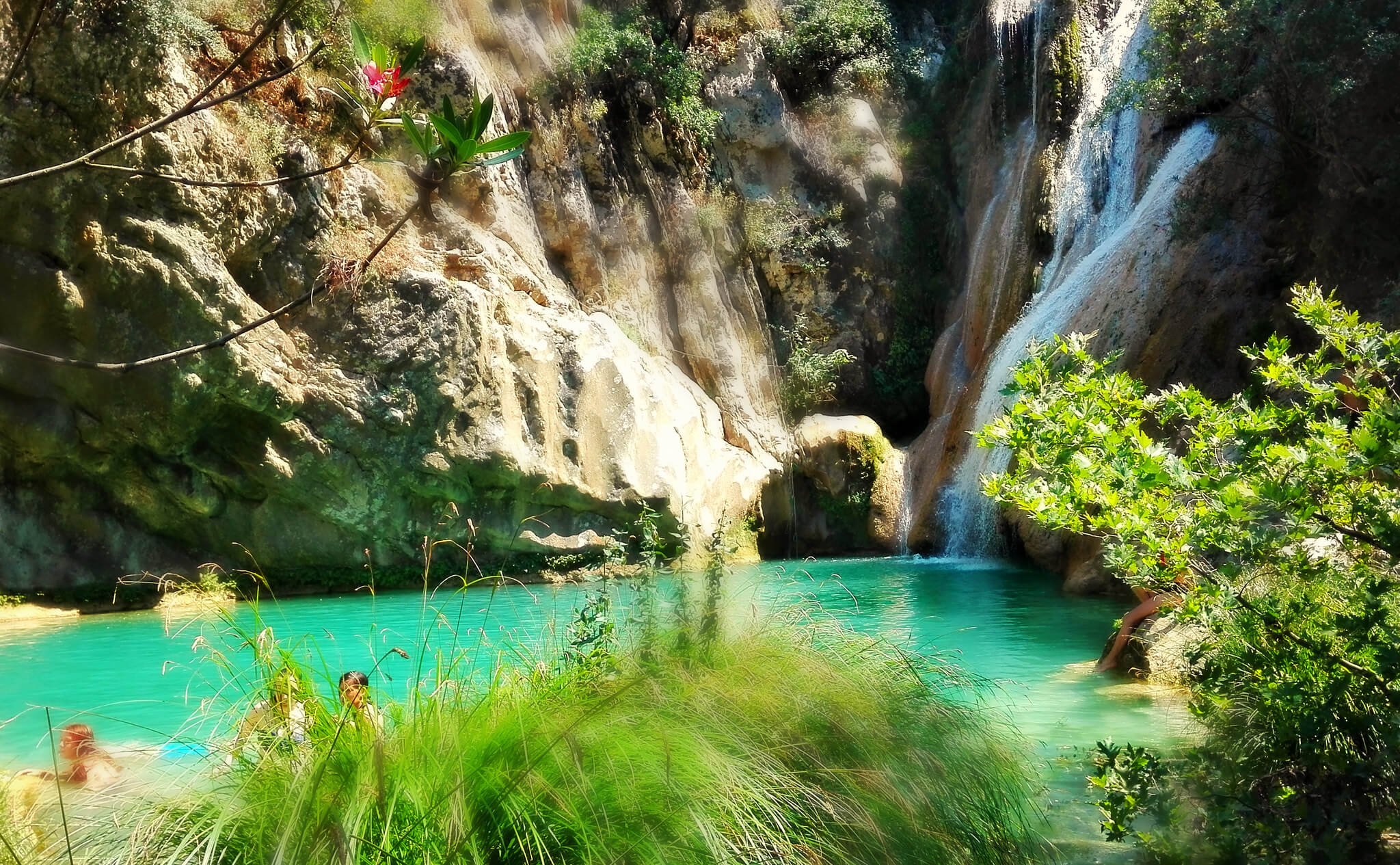
The Plitvice Lakes National Park in Croatia looks almost unreal. Sixteen interconnected lakes cascade through a landscape of waterfalls, forests and natural limestone barriers.
It is also one of Europe’s most carefully protected freshwater environments. And there is one rule visitors quickly discover:
Swimming is prohibited. So is underwater activity, except for narrowly defined conservation, research and maintenance purposes.
The reason is not simply that the water is dangerous. The entire landscape is a delicate natural system.
The lakes’ famous travertine barriers are formed through ongoing biological and geological processes.
Allowing visitors to swim, wade or otherwise disturb the water could interfere with the very processes that created the landscape they came to see.
The park’s current protection regulations explicitly prohibit swimming in its lakes and watercourses. In other words, the rule is essentially: Look, photograph, walk – but leave the water alone.
La Pelosa: Even the Sand Needs Protection
Some restrictions are even more subtle. At La Pelosa, one of Sardinia‘s most famous beaches, authorities have introduced measures designed to protect the beach’s exceptionally fine sand.
Visitors cannot simply put a towel directly on the sand. Instead, a mat or other suitable barrier must be placed underneath it. Why?
Because sand is surprisingly easy to remove – one towel, beach bag and pair of feet at a time.
The local regulations specifically require beach towels to be placed over a mat or similar material that reduces the removal of sand.
Visitors are also instructed to rinse sand from their feet and belongings at designated stations before leaving.
And La Pelosa has another increasingly common feature of famous European beaches: limited access. The municipality operates a reservation system for a restricted number of visitors during the summer season.
Today more and more European beaches are becoming so popular that visiting them now feels like trying to get into a trendy New York restaurant or a hot nightclub.
The message is becoming familiar across popular destinations: If too many people visit the same piece of paradise, eventually paradise needs a reservation system.
Venice Has Water Everywhere – But You Can’t Swim in It
Venice creates perhaps the strangest visual contradiction. The city is built around water, and its canals are everywhere. Yet tourists are strictly prohibited from swimming, bathing or diving into them.
The City of Venice currently lists swimming and bathing in the canals among prohibited behaviors, with a €350 fine. Authorities can also issue an urban exclusion order to offenders.
There is a straightforward reason. Venice’s canals are not swimming pools. They are part of a functioning urban waterway used by boats and surrounded by historic infrastructure. There are also obvious public-health and safety concerns.
And the city has other rules tourists sometimes discover only after arriving: walking around the city in swimwear or bare-chested is also prohibited, with a €250 fine under the municipal rules. So if you’re visiting Venice on a hot summer day, the beach is fine. The Grand Canal is not.
The Rules Are Not Always About Nature
This is where the story gets more interesting. Not every swimming ban exists to protect coral reefs or endangered wildlife. Sometimes the water itself is part of a city’s infrastructure.
Sometimes the attraction is a historic monument. And sometimes the simplest explanation is that the place was never designed for swimming in the first place.
Venice is one example. Amsterdam offers another. The city’s canals may look inviting on a warm summer afternoon, but swimming is not permitted everywhere.
And authorities have continued to regulate recreational swimming in urban waterways, partly because of safety, congestion and conflicts with other uses of the water.
In 2026, Amsterdam authorities were still dealing with conflicts around swimming at recreational sites and enforcing restrictions in locations where swimming was not compatible with local planning rules.
The lesson for travelers is simple: A body of water can be beautiful without being a place where you’re allowed to swim.
Sometimes the Ocean Itself Becomes the Hazard
There is another category of swimming ban that has nothing to do with long-term conservation. It’s about what happens to be in the water right now.
In Thailand, for example, authorities have temporarily prohibited swimming when dangerous marine organisms have been detected.
In June 2026, Thailand’s Department of National Parks reported Portuguese man-of-war sightings around parts of Krabi province, prompting authorities to raise marine-safety measures and put up red flags prohibiting swimming in affected areas.
A beach may be perfectly safe one day and temporarily off-limits the next. The reason might be jellyfish, dangerous currents, storm conditions, pollution or another short-term hazard. A red flag is not a suggestion.
Why Authorities Are Getting Stricter
There is a larger trend behind all of this. The world’s most famous natural attractions are attracting unprecedented numbers of visitors.
Tourism can bring jobs and money to local communities, but concentrated tourism can also damage the very landscapes that attract people in the first place.
Coral reefs can be broken by boats and swimmers, sand can be displaced, freshwater ecosystems can be contaminated or physically disturbed, wildlife can be stressed, and historic structures can deteriorate.
And once a fragile ecosystem is damaged, repairing it can take years – if recovery is possible at all. That is why some destinations are moving from a simple philosophy of “come and enjoy it” to something closer to “come, but under our conditions.”
The New Rule of Travel: You Don’t Always Get to Touch the Attraction
For decades, travel marketing sold the idea of getting as close to nature as possible – to swim in the lagoon, walk onto the reef, climb the rock, touch the monument, or feed the animals.
Today, conservation authorities increasingly argue that the opposite can sometimes be true. The best way to preserve an attraction is to keep visitors at a distance.
That might mean a viewing platform instead of a swimming area, a marked trail instead of unrestricted access, a reservation instead of an open beach, or a complete ban during sensitive periods.
It can be frustrating for travelers who have spent thousands of dollars to reach a destination, but the alternative can be much worse. Ironically, a popular attraction can be loved to death.
What Travelers Should Do Before Getting in the Water
The safest assumption when visiting a famous natural or historic site is surprisingly simple: Don’t assume that water means swimming. Check the rules before entering, look for official signs, pay attention to flags and lifeguard instructions.
And if you’re visiting a national park, marine reserve or protected coastline, check the park authority’s current regulations rather than relying on an old travel blog or a social-media post.
Rules can change quickly. Maya Bay is a perfect example. So is La Pelosa. And so are beaches temporarily closed because of dangerous marine life or severe weather.
And one more thing: The fact that other people are getting into the water isn’t necessarily proof that you’re allowed to.
The Point Isn’t to Keep Tourists Out
There is an easy temptation to view these restrictions as another way governments are making travel more complicated.
But there is another way to look at them. The restrictions are often an attempt to make sure these places are still worth visiting 10, 20 or 50 years from now.
Maya Bay is still beautiful because authorities were willing to close it. Plitvice’s waterfalls still look extraordinary because visitors are not allowed to treat the lakes like swimming pools.
La Pelosa is trying to preserve the sand that made it famous.
And Venice is protecting a historic urban environment whose waterways were never intended to become public swimming pools.
The modern traveler is increasingly being asked to accept an uncomfortable truth: Sometimes protecting a beautiful place means giving up the right to use it exactly as you want.
And if that sounds like a bad deal, consider the alternative. The world’s most spectacular destinations don’t need more people doing whatever they want. They need enough people willing to leave them beautiful.
Sources:
- Thailand Department of National Parks – Maya Bay conservation and reopening measures
- Plitvice Lakes National Park – official protection regulations
- City of Venice – prohibited behavior and swimming restrictions
- City of Venice – visitor FAQ and municipal rules
- Municipality of Stintino – La Pelosa beach regulations
- Municipality of Stintino – 2026 limited-access system for La Pelosa
- Thailand Department of National Parks – Portuguese man-of-war safety measures, 2026
- City of Amsterdam – regulations concerning recreational swimming