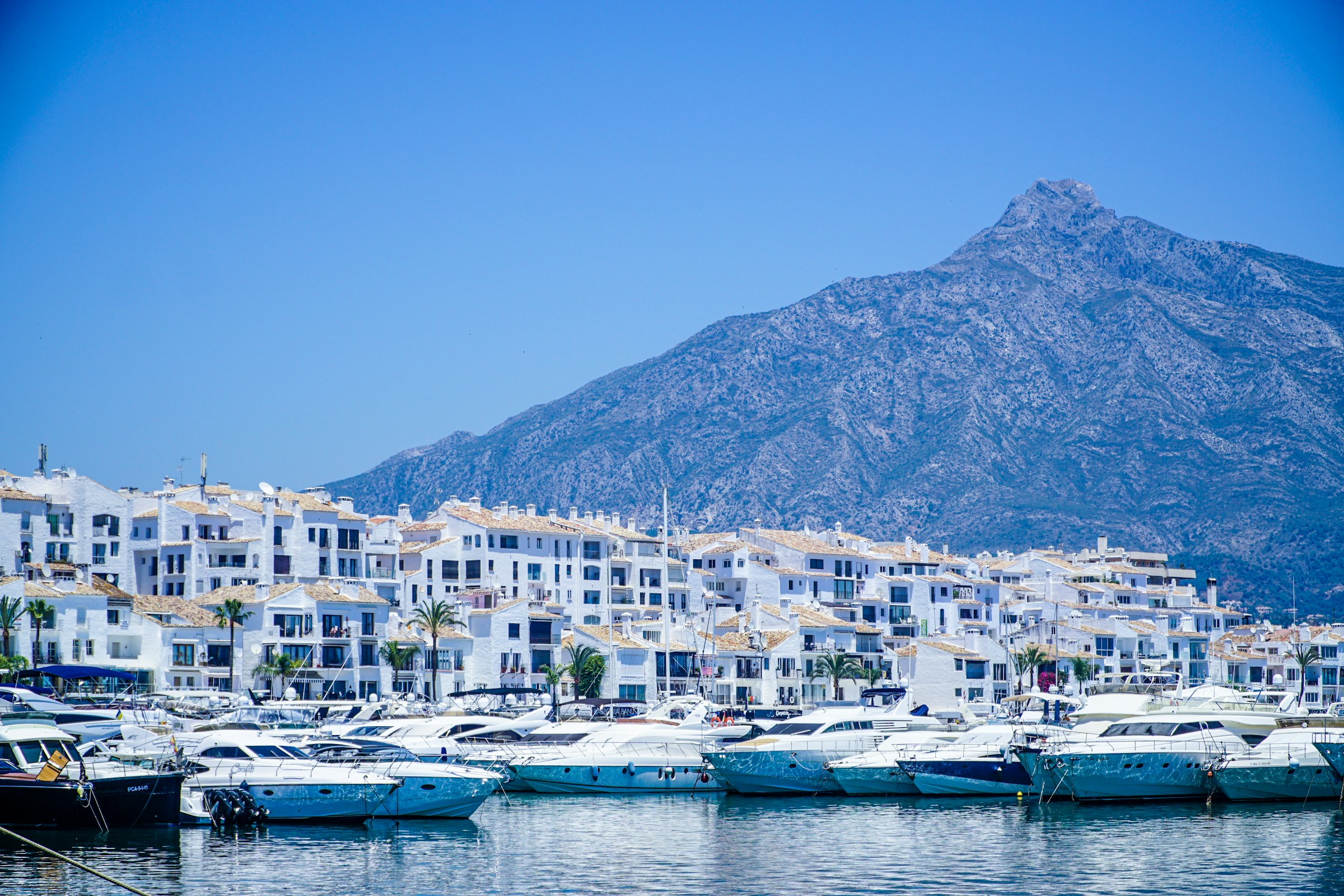
Nine small volcanic islands sit scattered across the middle of the North Atlantic, roughly a third of the way from Lisbon to New York, so green they’re routinely compared to Ireland and so geologically restless they’re compared just as often to New Zealand.
For decades, the Azores were mostly a rumor among serious hikers, whale-watchers, and Portuguese emigrants visiting family. That’s starting to change.
A small but growing wave of remote workers, retirees, and expats – many of them priced out of Lisbon, the Algarve, or Madeira – are starting to treat the Azores as the next serious answer to “where do I actually want to live.”
Where – and What – the Azores Actually Are
The Azores are an autonomous region of Portugal, not an independent country, which matters more than it might seem.
That status means residents and newcomers alike get full access to Portugal’s national visa programs – including the D8 Digital Nomad Visa and the D7 passive-income visa – while also enjoying a lighter tax load than the mainland.
The archipelago’s nine islands stretch across roughly 600 kilometers of open ocean, but the overwhelming majority of expat and investment activity concentrates on two of them:
São Miguel, home to the regional capital Ponta Delgada, and Terceira, whose historic city of Angra do Heroísmo sits a short distance from Lajes Field, a long-running US Air Force base that has left English widely spoken across the island and kept direct international flight connections alive for decades.
Geographically, the islands occupy an unusually convenient spot on the map. A flight to Boston or New York takes under six hours; a flight to most major European capitals takes somewhere between two and four.
For a certain kind of American remote worker, that positions the Azores as one of the few places in the Atlantic that functions as a genuine bridge between two continents rather than a long-haul commitment to either one.
The Case for Getting There Early
The pitch driving the current interest isn’t complicated, and it echoes almost exactly the playbook that turned Madeira into a fixture of the digital nomad map a few years earlier.
The tax math is genuinely favorable. The Azores apply a standard VAT rate of 16%, the lowest anywhere in Portugal – compared to 23% on the mainland and 22% in Madeira.
Combined with continued access to Portugal’s national visa and tax frameworks, that makes the islands a meaningfully cheaper place to run a life and, in some cases, a small business, without stepping outside the EU or giving up Portuguese residency benefits.
Property still looks like a bargain by European standards. While Lisbon, the Algarve, and increasingly Madeira have seen real estate prices climb into territory that rivals other major European cities, the Azores – particularly on islands beyond São Miguel – still offer houses with land at prices that would be almost unthinkable on the mainland at this point.
That gap won’t necessarily last, which is precisely the appeal for anyone thinking in terms of getting in before a market matures.
The climate is mild, not extreme, in either direction. Year-round temperatures generally sit between about 14°C in winter and 25°C in summer – nothing dramatic, but a genuine escape from the increasingly brutal summer heat spreading across southern Europe.
Add dramatic green landscapes, volcanic crater lakes, clean air, and a level of overall quiet that’s difficult to find anywhere else in Western Europe still connected to a modern airport, and the pitch for a slower, lower-stress lifestyle writes itself.
It scratches the same itch as New Zealand – for a fraction of the flight. Travelers and geographers have taken to calling the Azores “New Zealand’s little sibling in the Atlantic,” and the comparison holds up better than most travel-marketing shorthand.
Both are remote volcanic archipelagos defined by impossibly vivid green hillsides fed by near-constant rain, both offer real geothermal activity – the Azores’ steaming fumaroles and mineral hot springs around Furnas mirror New Zealand’s Rotorua almost feature for feature – and both share that particular, hard-to-fake feeling of isolation that comes from being a small landmass in the middle of a very large ocean.
The difference is logistics: where New Zealand sits 24 to 30 hours from most of Europe, the Azores are roughly four to five hours from the continent’s mainland, putting a genuinely similar landscape and atmosphere within reach of a long weekend rather than a once-in-a-decade trip.
What Could Slow the Boom Down
None of this comes without real friction, and it’s worth being honest about the trade-offs before booking a one-way ticket. The weather that makes the islands so green is the same weather that makes them genuinely difficult to live with at times.
Locals describe “four seasons in one day” without much exaggeration – persistent humidity, frequent rain, thick fog, and Atlantic storms strong enough to ground flights and ferries for days at a stretch, particularly on the smaller, more remote islands like Corvo or Flores. Indoor damp is a real, ongoing maintenance issue in island housing, not a minor inconvenience.
Isolation cuts both ways, too. Because virtually everything – machinery, specialized goods, certain medications – arrives by ship or plane, the cost of living runs higher than the islands’ laid-back reputation might suggest, and severe weather can cut off the smaller islands from the rest of the world for days at a time.
Healthcare follows a similar pattern: the main hospital and most specialized medical care are concentrated in Ponta Delgada on São Miguel, while the smaller islands operate with basic health centers only, a real consideration for retirees weighing where exactly to settle.
And bureaucracy, true to broader Portuguese form, tends to move slowly – home renovations, permits, and even routine internet installation can take noticeably longer than equivalent processes on the mainland.
The Madeira Comparison, and Why the Azores Aren’t There Yet
Madeira remains the more obvious pick for anyone who wants the infrastructure sorted out before they arrive. The town of Ponta do Sol hosts Europe’s first officially branded “Digital Nomad Village,” Funchal has a mature co-working and expat scene with events and community happening most days of the week, and high-speed fiber internet reaches even remote mountain villages.
Madeira’s climate backs it up – dubbed the “island of eternal spring,” with over 290 sunny days a year in Funchal and winter temperatures rarely dipping below 18°C.
The Azores simply haven’t built that infrastructure out yet, and that’s the entire point of calling them “the next Madeira” rather than “Madeira.”
What exists is concentrated almost entirely in Ponta Delgada and, to a lesser degree, Terceira; the expat community is real but noticeably smaller and more scattered than Madeira’s; and property and rents run somewhere between 25% and 40% below equivalent Madeira listings, a gap that’s unlikely to hold indefinitely if the current trajectory continues.
Where Madeira delivers dramatic cliffs, mostly rocky rather than sandy shorelines, and a more polished, tourism-forward atmosphere, the Azores counter with crater lakes, natural hot springs you can actually swim in, black sand beaches, and some of the best whale-watching in the North Atlantic.
Where the Islands Stand Right Now
The honest read is that the Azores are somewhere in the early-to-middle stage of the exact transformation Madeira went through roughly a decade ago – visible enough on nomad forums and relocation blogs to be a known option, not yet developed enough to have lost the qualities that make it attractive in the first place.
The regional government has made clear it has no interest in turning the archipelago into a mass-market resort destination on the scale of the Maldives or Dubai; strict environmental building restrictions are already in place specifically to prevent that outcome and preserve the landscape driving the interest to begin with.
That leaves a fairly specific opening. For people chasing sun, nightlife, and a plug-and-play expat infrastructure, Madeira – or the Algarve, for that matter – remains the safer, faster bet today.
But for those willing to trade some convenience for genuine natural drama, lower costs, and the sense of arriving somewhere before everyone else does, the Azores look like one of the more credible answers to “where next” in the Atlantic for the decade ahead – European standards and safety, without the crowds, at least for now.
Sources and Further Reading:
- Autoridade Tributária e Aduaneira (AT) / Portugal Global (AICEP) – Official Value Added Tax (IVA) rates for mainland Portugal, Madeira, and the Azores
- PwC Worldwide Tax Summaries – Portugal: Corporate & Individual Tax Framework
- Sovereign Group – Portugal Tax & Wealth Management Services
- Global Citizen Solutions – Guides to Portugal’s D7 and D8 (Digital Nomad) Visa Programs
- Startup Madeira – Official information on the Ponta do Sol Digital Nomad Village
- Azores Airlines (SATA) – Flight routes and Atlantic hub connections
/This article is intended for general educational and travel-interest purposes. Tax rates, visa requirements, and cost-of-living figures change over time; readers considering relocation should confirm current details with Portuguese immigration and tax authorities./