From New York and London to Tokyo and Singapore, these global powerhouses continue to attract capital, talent and influence in an increasingly uncertain world.
Despite geopolitical tensions, economic uncertainty and shifting global power, a handful of cities continue to shape the world’s financial markets, culture, technology and international affairs. New York remains at the top.
The world is going through a period of extraordinary turbulence. Geopolitical conflicts, economic uncertainty, shifting alliances and technological disruption are changing the way nations interact and compete.
Yet, amid all this uncertainty, some cities continue to stand out as powerful centres of influence, attracting capital, talent, businesses and ideas from every corner of the globe.
New York is once again at the top.
The American metropolis holds the number-one position in the 2026 Global Cities Index published by Oxford Economics, reaffirming its status as one of the world’s most influential urban centres.
It also ranked first in Kearney’s 2025 Global Cities Index and topped the March 2026 Global Financial Centres Index.
But global influence is not measured by money alone. It is also about political engagement, cultural reach, scientific research, innovation, education, connectivity and the ability to attract people who want to shape the future.
There is no single universally accepted ranking of the world’s most influential cities. Different indexes measure different aspects of urban power.
Kearney’s Global Cities Index, for example, evaluates business activity, human capital, information exchange, cultural experience and political engagement.
The Mori Memorial Foundation’s Global Power City Index looks at six functions, including the economy, research and development, cultural interaction, livability, the environment and accessibility.
Taken together, these rankings reveal a fascinating picture: while the global balance of power continues to evolve, a relatively small group of cities remains remarkably resilient.
The World’s Leading Cities: Influence Beyond Borders
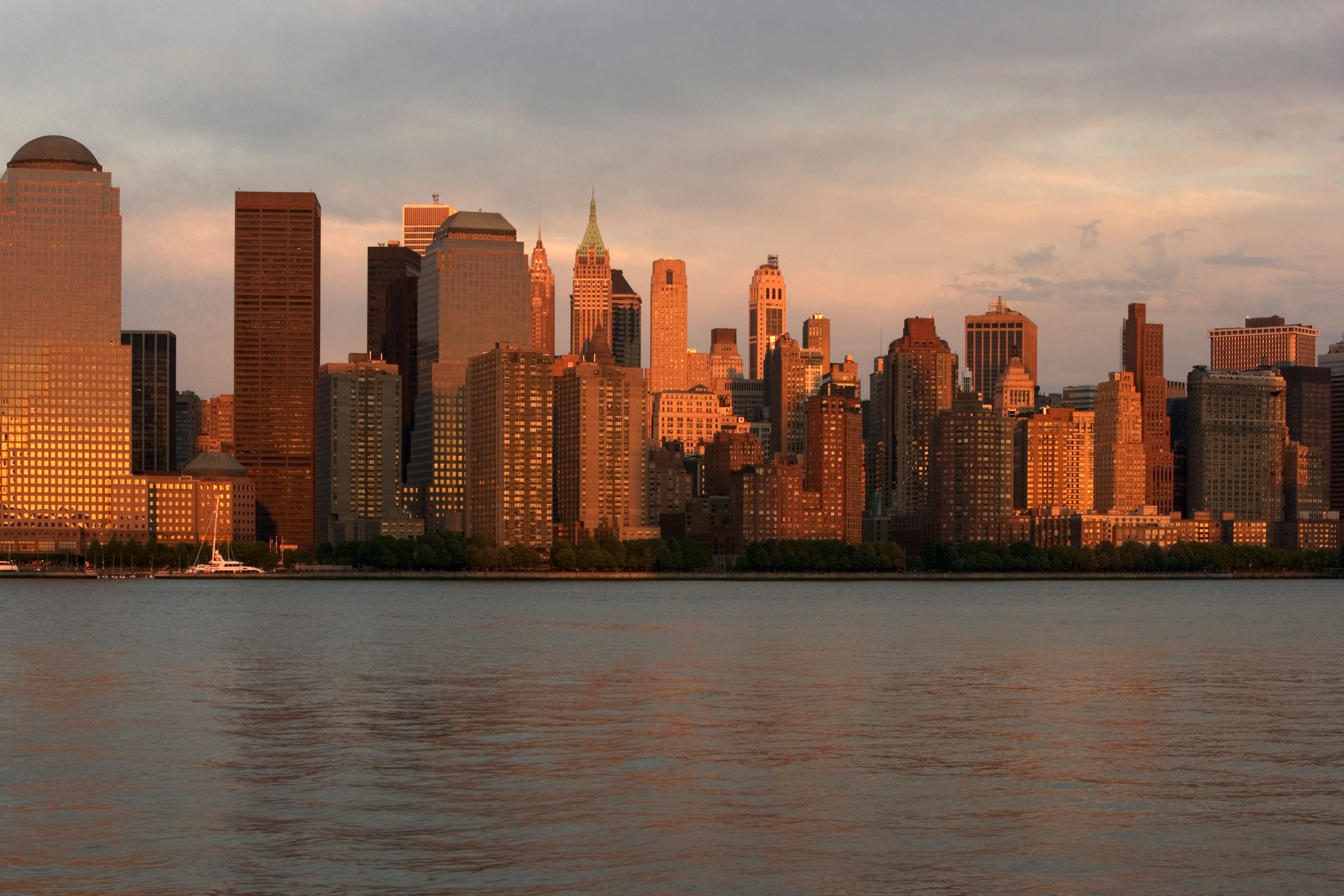
1. New York, United States
The financial, cultural and institutional heavyweight
New York’s position at the top is no coincidence. It is home to Wall Street, the United Nations headquarters, some of the world’s largest media organisations and an extraordinary concentration of cultural institutions, universities and multinational corporations.
Its influence extends far beyond the United States. Decisions made in New York’s financial markets can affect economies worldwide, while its cultural industries shape global conversations in film, fashion, music, art and media.
The city also benefits from an unmatched concentration of international talent, capital and business networks. In the 2026 Oxford Economics Global Cities Index, New York ranks first overall and first in the Economics category.
Its environmental challenges, high living costs and housing pressures are real. But they have not diminished its ability to attract investment, talent and global attention.
2. London, United Kingdom
A global centre of finance, diplomacy and culture
London remains one of the world’s most internationally connected cities. Its financial district, legal institutions, universities and cultural industries give it an influence that reaches across Europe, North America, the Middle East and Asia.
The British capital is also a major centre for diplomacy, international business, education and creative industries. English-language media and its historic role in global commerce further strengthen its reach.
The Mori Memorial Foundation’s Global Power City Index 2025 ranked London first for the fourteenth consecutive year. It also remains one of the world’s leading financial centres.
London’s influence is not simply a legacy of its history. It continues to adapt to changing economic and political conditions.
3. Paris, France
Culture, luxury and international influence
Paris is one of the few cities whose global influence extends so naturally across politics, culture, business and lifestyle.
The French capital is a major centre for fashion, luxury goods, art, gastronomy and tourism. It is also an important diplomatic and institutional hub, hosting international organisations and playing a central role in European affairs.
Its universities, research institutions and growing technology ecosystem add another dimension to its international importance.
Paris ranked third in both the 2025 Kearney Global Cities Index and the 2026 Oxford Economics Global Cities Index. Its position reflects a combination of economic strength, cultural influence and international connectivity.
4. Tokyo, Japan
Asia’s technological and economic powerhouse
Tokyo is one of the world’s most important centres of technology, manufacturing, finance and research. It combines the economic scale of a global metropolis with a distinctive cultural identity that attracts visitors, businesses and creative talent.
Japan’s capital is home to major corporations, leading universities and advanced research institutions. Its influence also extends through entertainment, design, architecture, fashion and popular culture.
Tokyo’s rise in the Mori Memorial Foundation’s Global Power City Index 2025 was particularly notable. It moved into second place, its highest position since the index began in 2008, overtaking New York in that particular ranking.
Tokyo demonstrates how economic strength, innovation and cultural appeal can reinforce one another.
5. Singapore
A strategic gateway between East and West
Singapore has become one of the world’s most important international business and logistics centres. Its strategic location, efficient infrastructure, political stability and business-friendly environment have helped it attract multinational companies and global investment.
The city-state is a major financial centre and a crucial hub for international trade, shipping and aviation. It also plays an important role in connecting businesses across Southeast Asia with markets in Europe, North America and China.
Singapore’s position in global finance is particularly strong. It ranked fourth in the March 2026 Global Financial Centres Index.
Its influence is remarkable considering its relatively small geographical size. Singapore proves that global power is not necessarily determined by population or territory.
6. Beijing, China
The political centre of a global economic power
Beijing’s influence comes primarily from its role as China’s political and administrative capital. It is the centre of national decision-making and home to major government institutions, research organisations, universities and influential corporations.
China’s growing role in international trade, technology, infrastructure and diplomacy gives Beijing a global reach that extends well beyond its borders.
The city is also an important centre for science, artificial intelligence and technological development. Its universities and research institutions contribute to China’s ambitions in advanced industries.
Beijing ranked sixth in Kearney’s 2025 Global Cities Index, reflecting its substantial international presence.
7. Hong Kong, China
A major bridge between Chinese and international finance
Hong Kong remains one of the world’s leading financial centres and an important gateway connecting mainland China with international markets.
Its financial markets, professional services, international business networks and legal infrastructure have historically made it a preferred location for global companies operating in Asia.
Hong Kong ranked seventh in Kearney’s 2025 Global Cities Index, moving up two places from the previous year. In the March 2026 Global Financial Centres Index, it ranked third worldwide.
Its position illustrates the continued importance of internationally connected financial markets in an increasingly complex global economy.
8. Shanghai, China
China’s commercial and industrial powerhouse
Shanghai is one of the most important economic centres in Asia. It is a major hub for finance, manufacturing, international trade and logistics, supported by one of the world’s busiest container ports.
The city has become a symbol of China’s economic transformation, combining an extensive industrial base with modern financial districts, advanced infrastructure and a growing technology sector.
Shanghai ranked eighth in Kearney’s 2025 Global Cities Index and moved into eighth place in the Mori Memorial Foundation’s 2025 ranking, reflecting its growing international appeal.
Its importance is likely to remain closely connected to China’s position in global trade and the evolution of Asian markets.
9. Los Angeles, United States
The global capital of entertainment and creative industries
Los Angeles has an influence that is difficult to measure through traditional economic indicators alone. Its entertainment industry has helped shape global culture for generations.
Hollywood remains one of the world’s most recognisable centres of film and television production, while the wider Los Angeles economy includes technology, aerospace, fashion, international trade and professional services.
The city’s ports are also essential to trans-Pacific commerce, connecting the United States with major Asian markets.
Los Angeles ranked ninth in Kearney’s 2025 Global Cities Index. Its global influence is built on a combination of cultural reach, economic scale and international connectivity.
10. Chicago, United States
A major centre of finance, transportation and industry
Chicago may not receive the same international attention as New York or Los Angeles, but its economic importance is substantial.
The city has long been a centre of American industry, transportation, logistics and finance. Its position in the national rail and freight network, together with its major airports, makes it an important gateway for domestic and international commerce.
Chicago is also home to major commodity exchanges, influential universities, research institutions and a significant corporate presence.
It ranked tenth in Kearney’s 2025 Global Cities Index, maintaining its position among the world’s leading global cities.
Why global cities matter more in uncertain times
The influence of major cities is not disappearing. In many ways, it is becoming more important.
As international relations grow more complicated, global cities continue to provide networks through which businesses, researchers, investors, diplomats and creative professionals can operate across borders.
They are also powerful magnets for people seeking opportunity. Universities attract international students, technology companies compete for skilled workers, financial institutions draw investment, and cultural industries bring together people from different backgrounds.
This concentration of talent and resources creates a form of resilience. Even when national economies face difficulties or geopolitical tensions disrupt international relationships, established global cities often retain the institutions, infrastructure and networks that make them attractive.
That does not mean they are immune to crises. Housing affordability, inequality, political uncertainty, climate risks and infrastructure pressures affect even the world’s most successful urban centres. Nor does a high ranking necessarily mean that a city is an easy or affordable place to live.
But their ability to attract people, capital and ideas remains a defining feature of the global economy.
New York still sets the pace
The different international rankings tell us that global influence is distributed across several centres rather than concentrated in one place.
London leads the Mori Memorial Foundation’s Global Power City Index. Tokyo has strengthened its position as a major Asian powerhouse.
Singapore and Hong Kong remain essential financial gateways, while Beijing and Shanghai reflect China’s growing economic and technological weight.
Yet New York continues to occupy a particularly strong position across different measures of global influence.
It combines financial power, cultural reach, international institutions, business activity and human capital on a scale few other cities can match.
Its first-place ranking in the 2026 Oxford Economics Global Cities Index and the March 2026 Global Financial Centres Index reinforces that position.
In a world experiencing profound change, the most influential cities are not necessarily those without problems. They are the ones that continue to attract people, ideas and investment – and remain relevant long after the headlines have moved elsewhere.
Sources and editorial notes:
- Oxford Economics – Global Cities Index 2026: 2026 Global Cities Index · 2026 findings
- Kearney – Global Cities Index 2025: 2025 Global Cities Report · Index methodology
- Mori Memorial Foundation – Global Power City Index 2025: 2025 press release · Official index
- Global Financial Centres Index 39 – March 2026: GFCI 39 ranking · Full report (PDF)