Scientists Warn That Antarctica May Be Trapped in a Dangerous Climate Feedback Loop
Antarctica, the coldest and most remote continent on Earth, is melting at a far faster pace than scientists previously expected.
Researchers studying the region say rising global temperatures are destabilizing massive ice sheets, reducing sea ice coverage, and triggering what many experts describe as a dangerous “vicious feedback cycle.”
As the frozen continent continues to warm, the consequences are becoming increasingly difficult to ignore, not only for Antarctica’s fragile ecosystem but also for coastal communities around the world.
Antarctica May Not Be as Stable as Scientists Once Believed
For decades, Antarctica was considered relatively stable compared to the rapidly warming Arctic. However, recent scientific observations reveal that parts of the continent are experiencing dramatic changes.
Ocean temperatures surrounding Antarctica have risen steadily, causing warm water to move beneath floating ice shelves. These ice shelves act as natural barriers that slow the movement of glaciers into the ocean.
When they weaken or collapse, glaciers accelerate, releasing enormous amounts of ice into the sea and contributing directly to global sea level rise. One of the most concerning developments is the sharp decline in Antarctic sea ice.
Scientists recorded historically low sea ice levels in recent years, surprising researchers who once believed the region would be more resistant to climate change. Sea ice plays a critical role in reflecting sunlight back into space.
As more ice disappears, darker ocean water absorbs additional heat, further increasing temperatures and accelerating melting. This process creates a self-reinforcing cycle that becomes increasingly difficult to stop.
The Environmental Impact on Antarctica’s Ecosystem Is Already Becoming Visible
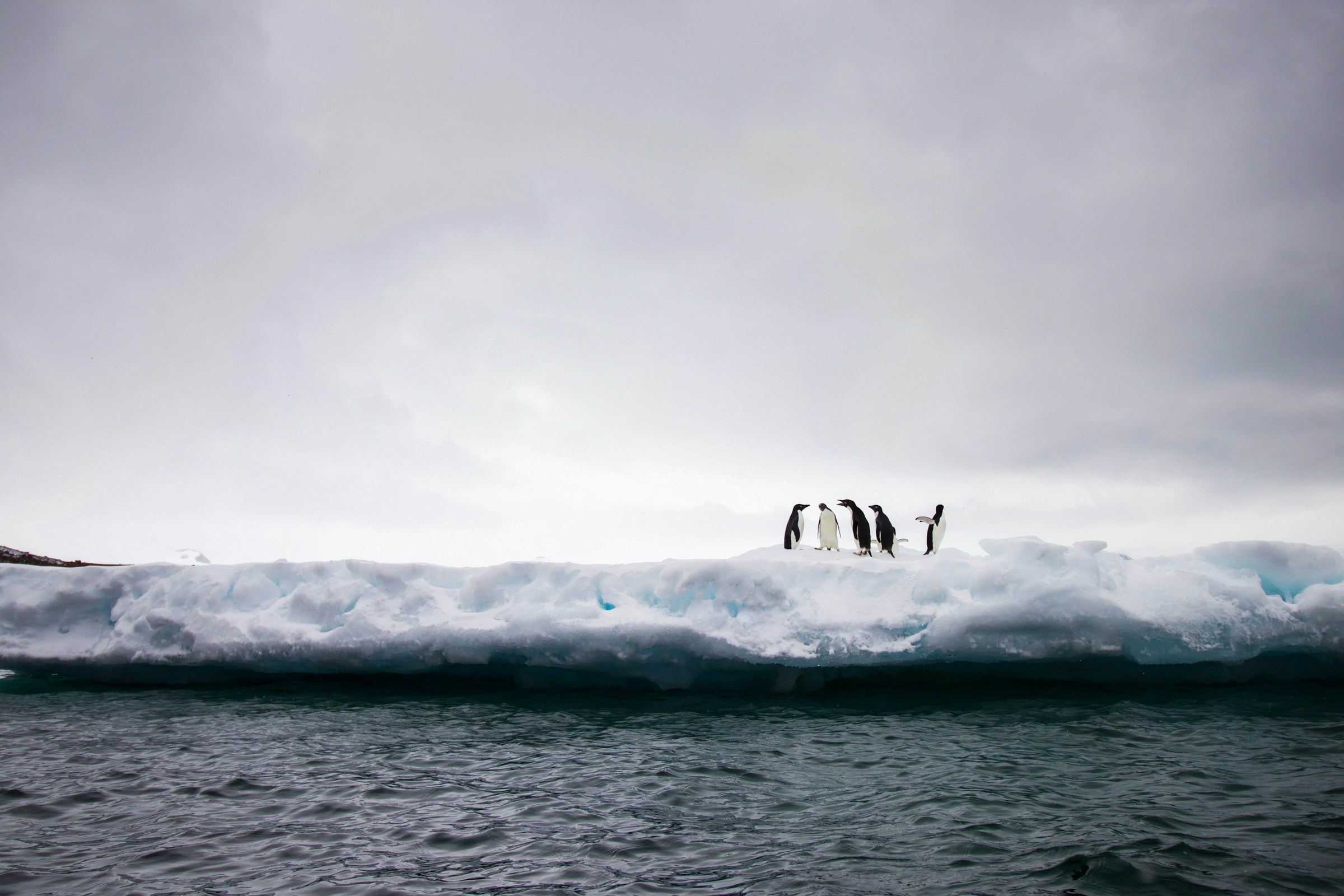
Species that depend on stable ice conditions, including penguins, seals, and krill populations, are facing mounting pressure as their habitats change.
Krill, tiny crustaceans that form the foundation of the Antarctic food chain, rely heavily on sea ice during key stages of their life cycle.
A decline in krill populations could disrupt the entire marine ecosystem, affecting larger species such as whales and seabirds. Scientists are also increasingly concerned about the long-term stability of the West Antarctic Ice Sheet.
Some studies suggest that parts of the ice sheet may have already passed critical tipping points, meaning the melting process could continue for centuries even if global emissions are reduced.
If significant portions of Antarctica’s ice were lost, global sea levels could rise dramatically, threatening major coastal cities and low-lying regions worldwide.
Climate researchers emphasize that Antarctica’s transformation is not an isolated environmental issue. The continent plays a vital role in regulating global climate systems, ocean circulation, and weather patterns. Changes occurring in the Antarctic region can influence temperatures, storms, and sea levels across the planet.
Experts argue that the rapid pace of change highlights the urgent need for stronger international climate action, including reducing greenhouse gas emissions, investing in renewable energy, and protecting vulnerable ecosystems.
Although the situation is serious, scientists stress that there is still time to slow some of the worst outcomes.
Continued research, international cooperation, and aggressive climate policies could help limit future warming and preserve critical parts of Antarctica’s ice system. However, researchers warn that delaying action will only increase the risks and costs facing future generations.


