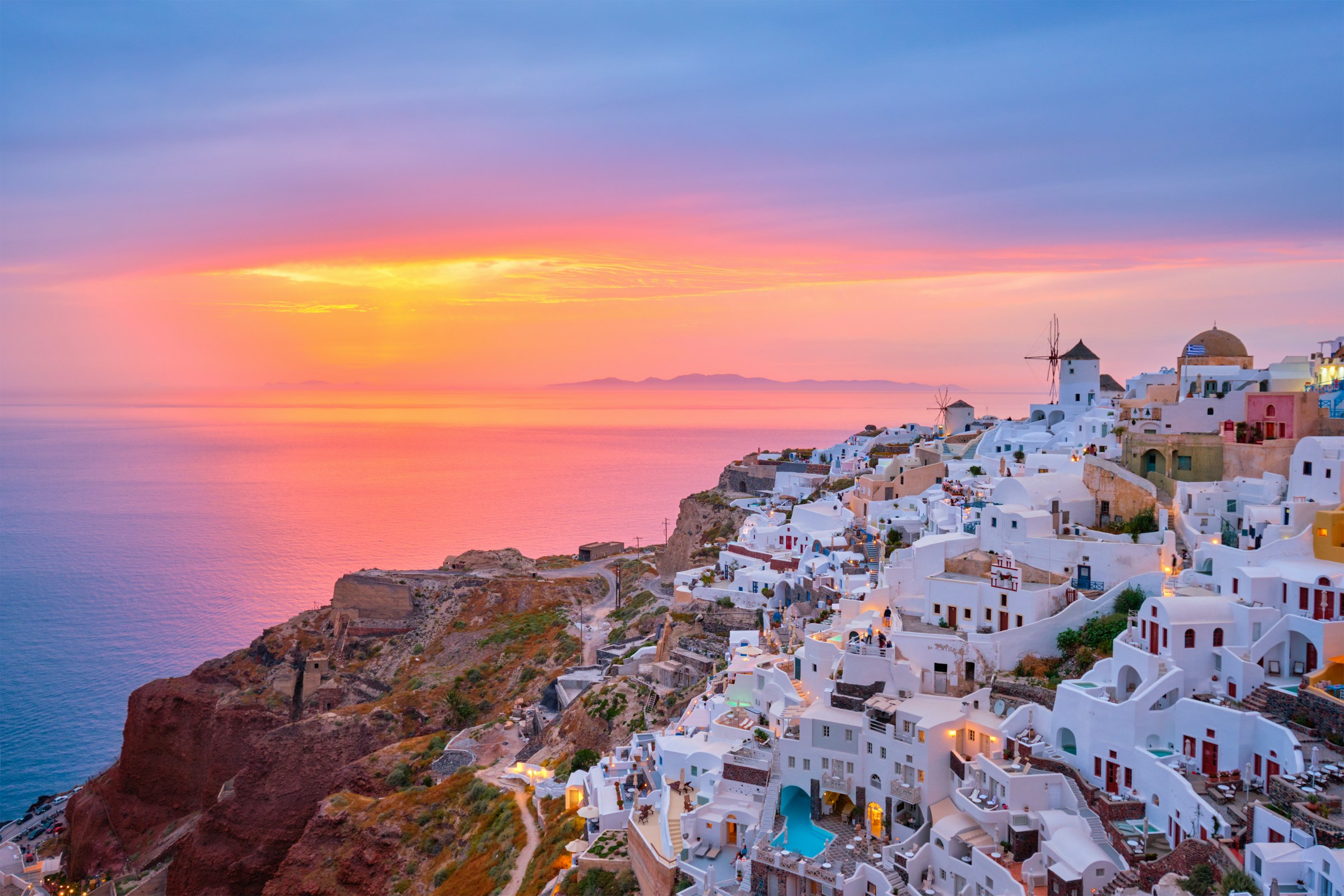
Greece is introducing a series of new measures aimed at tackling overtourism, especially on some of its most visited islands and cultural landmarks.
The Greek government will impose a new €20 fee on cruise passengers disembarking on the islands of Santorini and Mykonos during the peak summer season this year.
The measure is part of a broader strategy to reduce pressure from mass tourism and fund local infrastructure improvements after record visitor numbers overwhelmed several destinations in recent years.
Greek authorities are also tightening visitor management rules across popular destinations including Rhodes and Crete, where local officials have raised concerns about overcrowding, environmental pressure and strain on public services during the summer months.
According to reports in the international press, the government is increasingly moving toward reservation systems, regulated arrival flows and stricter controls on tourist capacity in heavily visited areas.
The measures come as Greece continues to experience record tourism revenues but also growing criticism from residents over the effects of overtourism.
One of the clearest examples is the new timed-entry system at the Acropolis of Athens. Visitors must now book specific entry hours in advance, while daily attendance is capped at around 20,000 people.
Greek officials say the goal is to protect the UNESCO World Heritage site from excessive crowds and improve the visitor experience.
International outlets report that authorities introduced staggered entry times and electronic ticketing after tourism numbers surged sharply following the pandemic.
The changes reflect a wider trend across southern Europe, where governments are increasingly trying to balance economic dependence on tourism with concerns about overcrowding, sustainability and the preservation of historic sites.
The European country remains one of the most popular destinations in the world, but officials now openly acknowledge that unlimited tourist growth is no longer sustainable for islands and monuments already operating at full capacity during the summer season.


