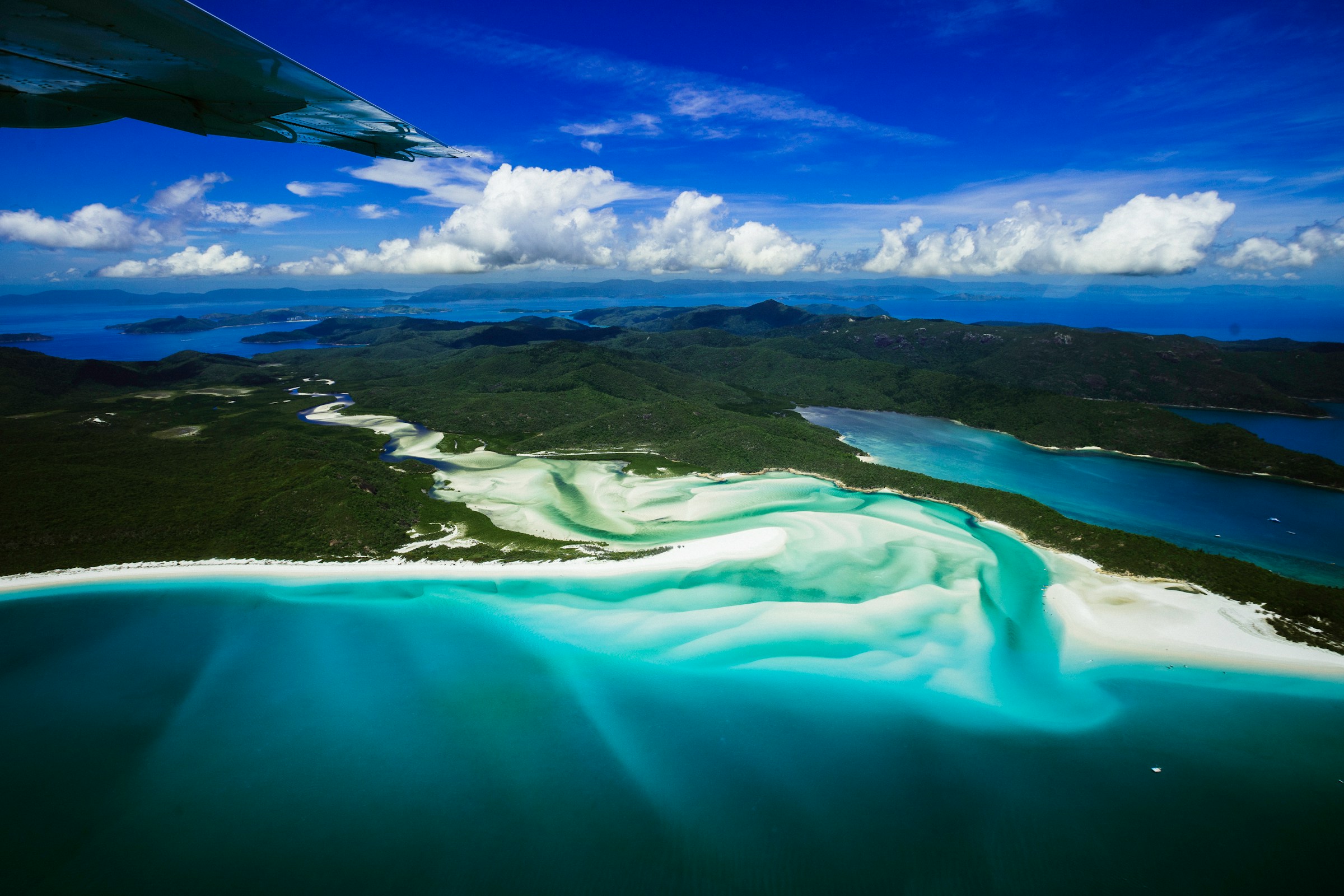
Endless sand. Ancient forest. A protected river reserve. At first glance, Kamchia looks like one of the safest and most peaceful places on Bulgaria’s Black Sea coast.
Yet locals, lifeguards, and fishermen have long regarded this stretch of shoreline with caution. Not because of storms or towering waves, but because many of its dangers remain invisible.
Located around 30 kilometres south of Varna, Kamchia sits where the Kamchia River flows into the Black Sea.
The area is famous for its unique longoz forest, one of the last remaining floodplain forests in Europe, and for the vast Kamchia-Shkorpilovtsi beach – the longest uninterrupted sandy beach in Bulgaria.
The scenery is spectacular. But beneath the surface, the meeting of river and sea creates constantly changing conditions.
Where the River Meets the Sea
The mouth of the Kamchia River is unlike a typical beach environment. River currents continuously transport sand and sediment toward the sea, reshaping the seabed throughout the season.
Areas that appear shallow can change rapidly after storms or periods of stronger river flow. Sudden drop-offs, deeper channels, and uneven underwater terrain may develop without obvious warning signs from the surface.
For swimmers unfamiliar with the area, this can create a false sense of security. The danger is not always rough water. Sometimes the sea appears calm while stronger currents move beneath the surface.
The Black Sea’s Hidden Current
One of the greatest hazards along the Bulgarian coast is the rip current, known locally by many beachgoers as “martvak” or the “dead current.”
Rip currents are narrow, fast-moving channels of water that flow away from the shore. They often form after periods of rough weather and can remain active even when the sea looks relatively calm.
The phenomenon is not unique to Kamchia, but the combination of an exceptionally long beach, changing seabed conditions, and the nearby river mouth can make certain sections particularly risky.
Every summer, Bulgarian lifeguards issue repeated warnings about rip currents, especially in late July and August when beach attendance reaches its peak.
A Beach Too Large to Watch
Kamchia-Shkorpilovtsi beach stretches for kilometres. While some areas are monitored by lifeguards during the tourist season, large sections remain completely wild.
Visitors seeking solitude often walk far from the guarded zones, where there are no warning flags, rescue equipment, or nearby assistance.
In an emergency, distance becomes a problem. This is one reason why lifeguards consistently advise tourists to remain within designated swimming areas, regardless of how calm the sea appears.
The Dangerous Confidence of Strong Swimmers
Many water rescues begin with the same assumption: “I can handle it.” Rip currents do not target inexperienced swimmers. In fact, strong swimmers can be equally vulnerable if they panic and attempt to fight the current directly.
Safety experts recommend swimming parallel to the shoreline if caught in a rip current rather than trying to swim straight back to the beach. Remaining calm is often the most important factor in survival.
Respect the Sea
Kamchia remains one of Bulgaria’s most remarkable natural destinations. The forest, the river, and the vast beach create a landscape unlike anywhere else on the country’s coastline. But nature here deserves respect.
The greatest danger at Kamchia is not what visitors can see. It is what they cannot. The sea may look calm. The beach may look empty. The river may appear harmless. Sometimes, that is exactly when caution matters most.