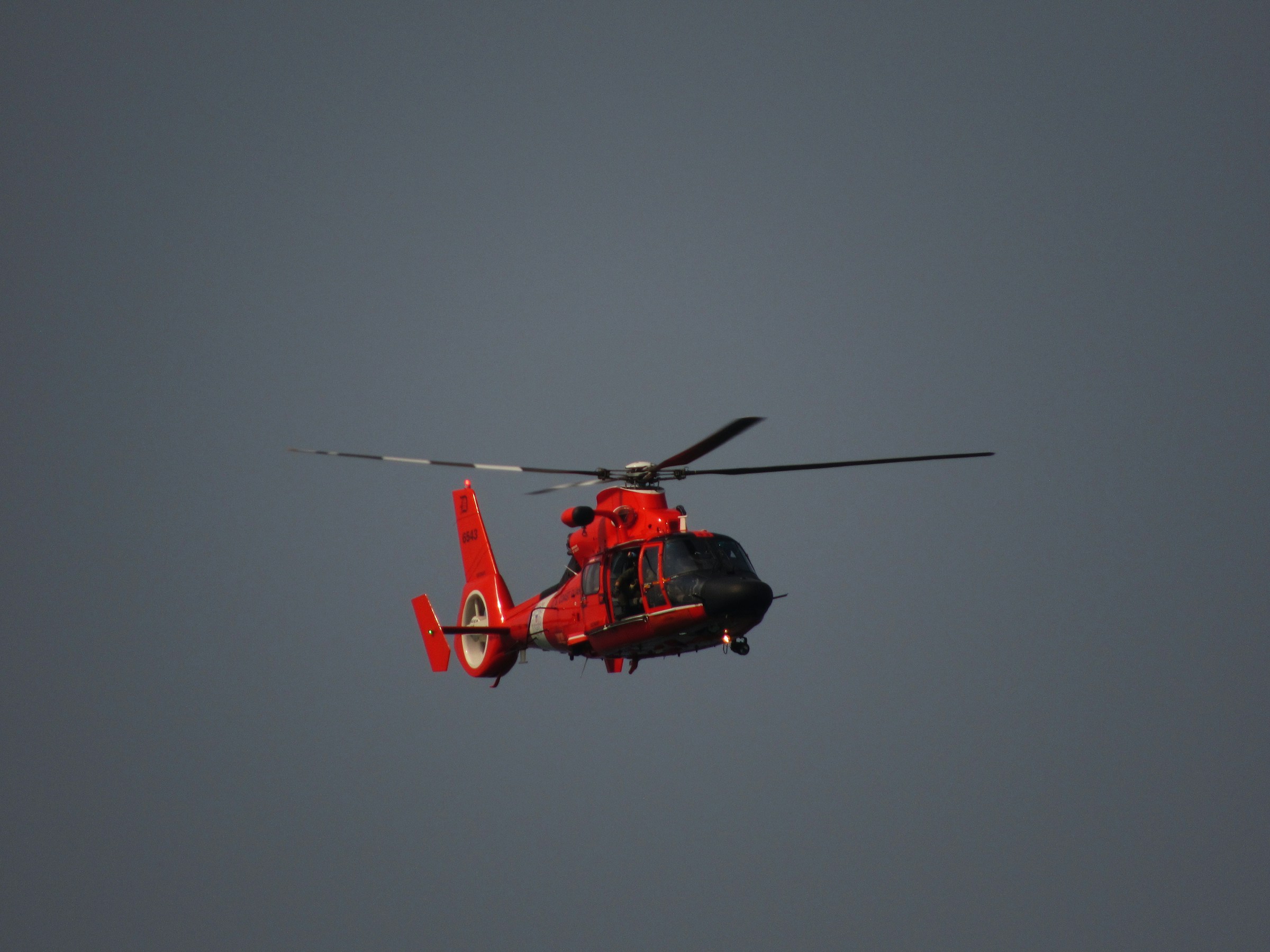
A Canadian-operated air ambulance reported electrical problems before rapidly descending and vanishing from radar south of Nantucket
October 5, 2026
A medical transport aircraft carrying six people from Bermuda to Boston disappeared over the Atlantic early Saturday morning before a debris field was found south of Nantucket, Massachusetts, prompting a massive search-and-rescue operation that ended with all six people presumed dead.
The aircraft, a Canadian-registered Gulfstream G100 operated by Latitude Air Ambulance, departed L.F. Wade International Airport in Bermuda at about 12:41 a.m. local time on October 3.
On board were four Canadian crew members – two pilots and two medical staff – along with a patient and the patient’s family escort, both Bermudian nationals.
The aircraft was operating as Heartbeat 104, with registration C-GRJP, and was bound for Boston Logan International Airport.
What happened during the final minutes of the flight remains under investigation. But the available evidence already points to a conventional aviation emergency rather than a mysterious disappearance.
A rapid descent and reports of electrical problems
The aircraft had been cruising at roughly 24,000 feet before beginning a dramatic descent as it approached the Massachusetts coast.
Flight-tracking data indicated that the Gulfstream dropped thousands of feet in only a few minutes. It eventually disappeared from radar south of Nantucket.
Air-traffic-control recordings provide a more troubling picture of the final moments. A controller asked the crew: “You’re coming in blind?”
The pilot’s response was not clearly audible on the recording. The controller subsequently asked whether the crew was declaring an emergency.
Other communications indicated that the aircraft was experiencing electrical problems and that communications with the aircraft were becoming increasingly difficult.
The aircraft ultimately disappeared from radar, and the Federal Aviation Administration notified the U.S. Coast Guard that contact had been lost. Search aircraft and vessels were dispatched to an area south of Nantucket.
By Saturday evening, search crews located a debris field confirmed to be from the Gulfstream. The aircraft and its occupants, however, were not immediately located.
After approximately 66 hours of search operations covering more than 4,400 square miles, the Coast Guard suspended the active search on Sunday evening.
With deep regret, Latitude Air Ambulance confirmed that there were no survivors in the tragic incident, expressing its condolences to the families of the four crew members and the two patients from Bermuda.
The two Bermudian passengers were later identified as 66-year-old Marilyn Lavonne Bean and her 41-year-old son, Sergio Wayne Lottimore.
What caused the crash? Investigators don’t know yet
The central question is why the aircraft went from apparently normal cruise flight to a rapid descent and loss of communication. At present, there is no official finding of probable cause.
The reported electrical malfunction is likely to be a major focus of the investigation. A serious electrical failure can affect multiple systems on an aircraft, potentially including communications, navigation and cockpit instrumentation. But it would be premature to conclude that an electrical failure alone caused the crash.
Weather is another factor investigators are expected to examine. According to air-traffic communications and reporting based on flight-tracking data, a storm system was in the vicinity of the aircraft’s route as it approached Massachusetts.
Aviation experts have noted that a combination of degraded instrumentation, poor weather and spatial disorientation could create an extremely dangerous situation for a flight crew. That, however, remains expert analysis rather than an official explanation for this accident.
Investigators will need to establish exactly what electrical systems failed, whether the aircraft entered severe weather, what the crew could see and which instruments remained operational, and why the airplane descended so rapidly.
The Transportation Safety Board of Canada is expected to lead the investigation because the aircraft was Canadian-registered and four of the six people aboard were Canadian citizens.
Investigators are expected to work with U.S. authorities and the National Transportation Safety Board during recovery and reconstruction of the accident.
The wreckage will be particularly important. Investigators will be looking for evidence of structural failure, fire, electrical-system damage, engine problems or other mechanical failures. Until that evidence is recovered and analysed, any definitive explanation would be speculation.
Sources:
- U.S. Coast Guard – official search and rescue information
- Government of Bermuda – official statement on the missing air ambulance
- Reuters – report on the suspension of the search
- Associated Press – report on the debris field and final flight
- Transportation Safety Board of Canada – investigation context


