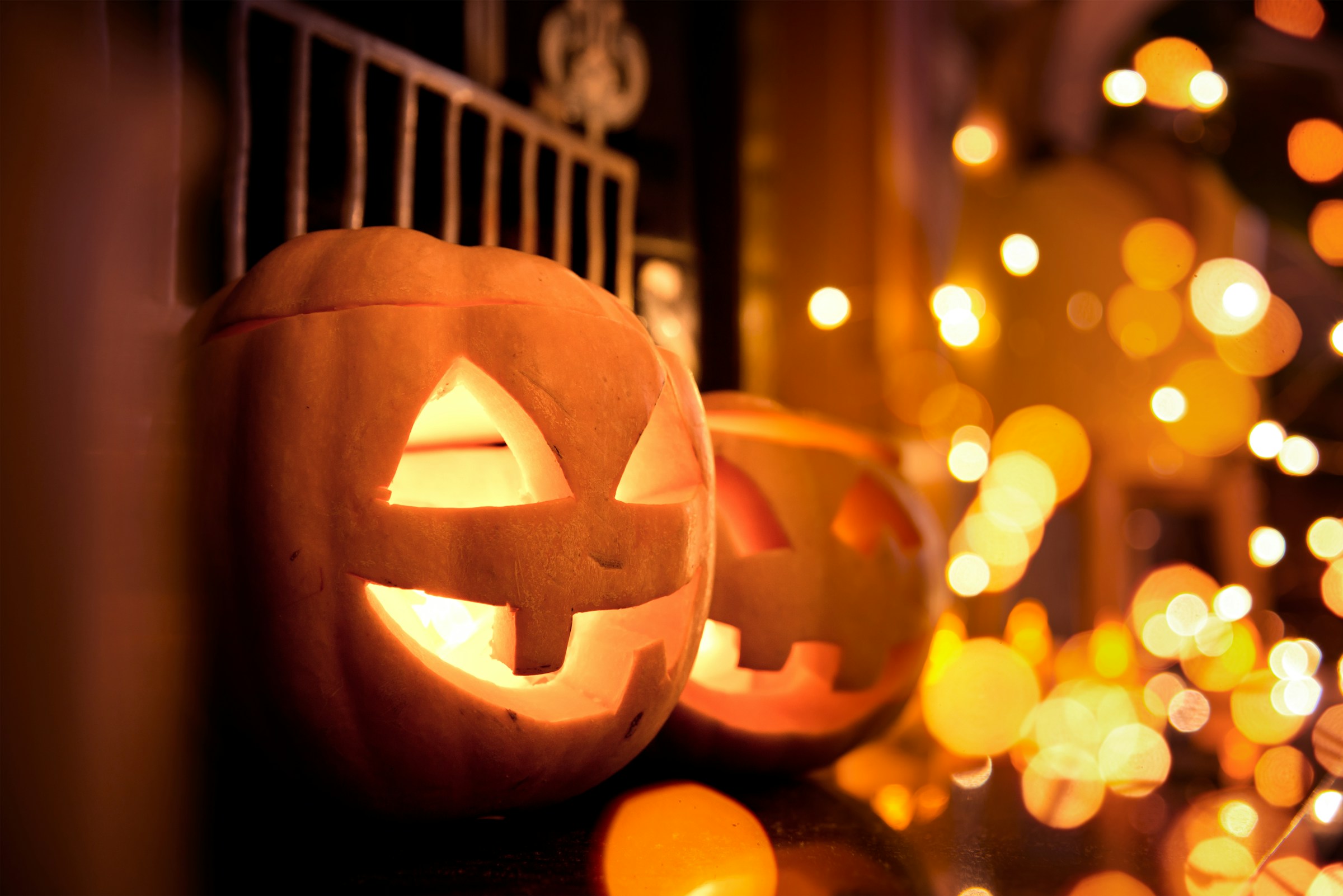
In St. Helens, Halloween is not simply a night on the calendar. For several weeks each autumn, an entire American town becomes a stage for pumpkins, ghosts, witches, skeletons and one of the most elaborate Halloween celebrations in the country.
There are places where Halloween arrives with a few carved pumpkins on the porch. And then there is St. Helens, Oregon.
Every autumn, this small town on the Columbia River transforms itself into something that looks less like an ordinary American community and more like a movie set imagined by someone who grew up believing Halloween was the most important night of the year.
For several weeks, historic streets fill with enormous decorations, giant pumpkins, skeletons, haunted attractions, costumed characters and glowing displays.
The town’s riverfront becomes the center of the celebration, while visitors arrive to experience what has become known as the Spirit of Halloweentown.
In 2026, the celebration runs from late September into early November, with the town once again hosting the Great Pumpkin Lighting, haunted attractions, live entertainment and appearances by actors from the original Halloweentownmovie.
But St. Helens has an unusual advantage over almost every other Halloween destination.
It actually was Halloweentown.
The Town That Became Halloweentown
In 1998, Disney filmed Halloweentown in St. Helens. The television movie told the story of a teenager who discovers a secret supernatural town where witches, ghosts and other creatures live.
The real St. Helens supplied much of the setting. More than two decades later, the connection has become part of the town’s identity.
What began as a movie location evolved into an annual celebration that draws visitors looking for something beyond a conventional Halloween party.
The town’s historic Riverfront District – a ten-block area listed on the National Register of Historic Places – provides an unusually cinematic backdrop. Its older buildings and streets can be transformed without having to construct an artificial theme park from scratch.
The result is one of the rare places where Halloween decoration is not confined to individual houses. The town itself becomes the decoration.
Giant pumpkins, illuminated displays, skeletons and theatrical installations appear throughout the streets. The Great Pumpkin Lighting has become one of the signature events, while haunted attractions and live performances extend the experience beyond a single evening.
That is what makes St. Helens particularly compelling: it combines the nostalgia of a beloved 1990s movie with the atmosphere of a genuine historic American town.
For Halloween lovers, it is arguably one of the closest things in the United States to stepping inside a real-life Halloween movie.
But Halloween Itself Is Much Older Than America
The strange thing about Halloween is that almost none of its most recognizable traditions began in America.
The holiday’s roots reach back more than a thousand years to the Celtic festival of Samhain, associated with the end of the harvest and the beginning of winter.
Samhain was observed around the end of October, at a time when the boundary between the world of the living and the dead was believed to become unusually thin.
Bonfires were lit, and people wore disguises or costumes – traditions that would eventually contribute to the Halloween rituals familiar today.
Christianity later transformed the calendar around these older autumn traditions. November 1 became All Saints’ Day, or All Hallows’ Day, while the preceding evening became All Hallows’ Eve – eventually shortened to Halloween.
By the Middle Ages, the traditions surrounding the period had accumulated elements of remembrance, religious observance, superstition, costumes, bonfires and encounters with the supernatural.
Halloween, in other words, was never really one single tradition. It was a centuries-long cultural mixture.
How a Turnip Became a Pumpkin
One of the most recognizable symbols of Halloween is also the product of a transatlantic transformation. Today, millions of people carve pumpkins into grotesque faces and place candles or lights inside them.
But the tradition began with vegetables that were much less glamorous. In Ireland and parts of Britain, people carved faces into turnips, beets and other root vegetables.
The tradition became associated with the Irish legend of Stingy Jack, a wandering figure said to have tricked the Devil and been condemned to wander between Heaven and Hell.
Then the tradition crossed the Atlantic. Irish and Scottish immigrants brought Halloween customs with them to North America, particularly during the enormous waves of immigration in the nineteenth century. Millions of Irish people came to the United States, especially after the potato famine of the 1840s.
And America had something Ireland did not have in quite the same abundance: pumpkins. The large, relatively soft American pumpkin was much easier to carve than a turnip. The jack-o’-lantern was born in its modern form.
From a Night of Spirits to Costumes and Candy
The Halloween that Americans celebrate today emerged gradually. European traditions involving disguises, visiting homes, food, games and mischief mixed with American harvest celebrations.
In the nineteenth century, Halloween became increasingly popular across the United States, helped enormously by immigration.
By the early twentieth century, communities and newspapers were encouraging a more family-friendly version of the holiday.
Halloween parties, costumes, games, seasonal foods and children’s activities gradually replaced some of the darker elements of older celebrations. Eventually came one of America’s most famous Halloween rituals: trick-or-treating.
Children dressed as witches, ghosts, monsters, superheroes or almost anything else imaginable began going from house to house asking for treats.
What had once been associated with spirits and supernatural fears became, for millions of children, an annual ritual of costumes and candy. The transformation was almost complete. Halloween had become entertainment.
From North America to the world
For much of its modern history, Halloween was particularly associated with Ireland, the United States and Canada.
Today, however, October 31 has become recognizable far beyond North America. Halloween celebrations can be found across Britain, Ireland, Canada, Australia and New Zealand, while the imagery has spread widely through American cinema, television, music, advertising and popular culture.
In Japan, Halloween has developed its own spectacular costume culture, particularly in major cities. Across parts of Europe, Halloween parties and themed events have become increasingly common.
Restaurants, shopping centers, amusement parks and nightclubs in countries with little historical connection to the holiday now use its imagery every October.
And in Latin America, Halloween overlaps on the calendar – but should not be confused – with Día de los Muertos, the Day of the Dead, a distinct tradition centered on remembering and honoring deceased loved ones.
The result is a fascinating cultural phenomenon. A festival with ancient Celtic roots became intertwined with Christian traditions, was reshaped by Irish and Scottish immigrants in North America, transformed by American popular culture and eventually exported around the world. Few holidays have travelled quite so far from their original meaning.
And Then There Is St. Helens
Perhaps that is why St. Helens feels so appropriate as a Halloween destination. The town is not simply decorating itself for a holiday imported from somewhere else.
It has taken the accumulated mythology of Halloween – the ghosts, pumpkins, witches, costumes, haunted houses and fascination with the supernatural – and turned it into an entire physical landscape.
For a few weeks each autumn, visitors can walk through streets that look as though they belong to a Halloween movie.
There are giant pumpkins instead of ordinary street decorations. Skeletons appear above the riverfront. Haunted attractions replace ordinary entertainment. The town’s historic architecture becomes part of the scenery.
And somewhere behind all of it is the memory of a Disney movie that helped give the town its most unusual identity.
Halloween began as a night associated with the changing of seasons and the mysterious boundary between the living and the dead.
More than a millennium later, it has become something else entirely: one of the world’s great celebrations of imagination.
And in St. Helens, Oregon, that imagination takes over an entire town. For anyone looking for the ultimate Halloween getaway, there may be few places in America where the fantasy feels quite so real.
Sources:
- Spirit of Halloweentown – St. Helens, Oregon: official 2026 festival information, dates, events and performers. (spiritofhalloweentown.co)
- Travel Oregon: background on the Spirit of Halloweentown, the film connection and the town’s annual transformation. (Travel Oregon)
- City of St. Helens: history of the town and information about its historic Riverfront District and Halloweentownfilming connection. (sthelensoregon.gov)
- History.com: history of Halloween, Samhain, All Saints’ Day, immigration, costumes and the development of American Halloween. (HISTORY TV Nederland)
- Library of Congress: origins of jack-o’-lanterns, Samhain traditions and Halloween folklore. (The Library of Congress)
- Library of Congress: Irish immigration to the United States during the nineteenth century. (The Library of Congress)
- NASA Earth Observatory: overview of Halloween’s Celtic, Christian and later cultural influences. (NASA Science)
- History.com: Halloween traditions around the world and the distinction between Halloween and Día de los Muertos. (HISTORY TV Nederland)