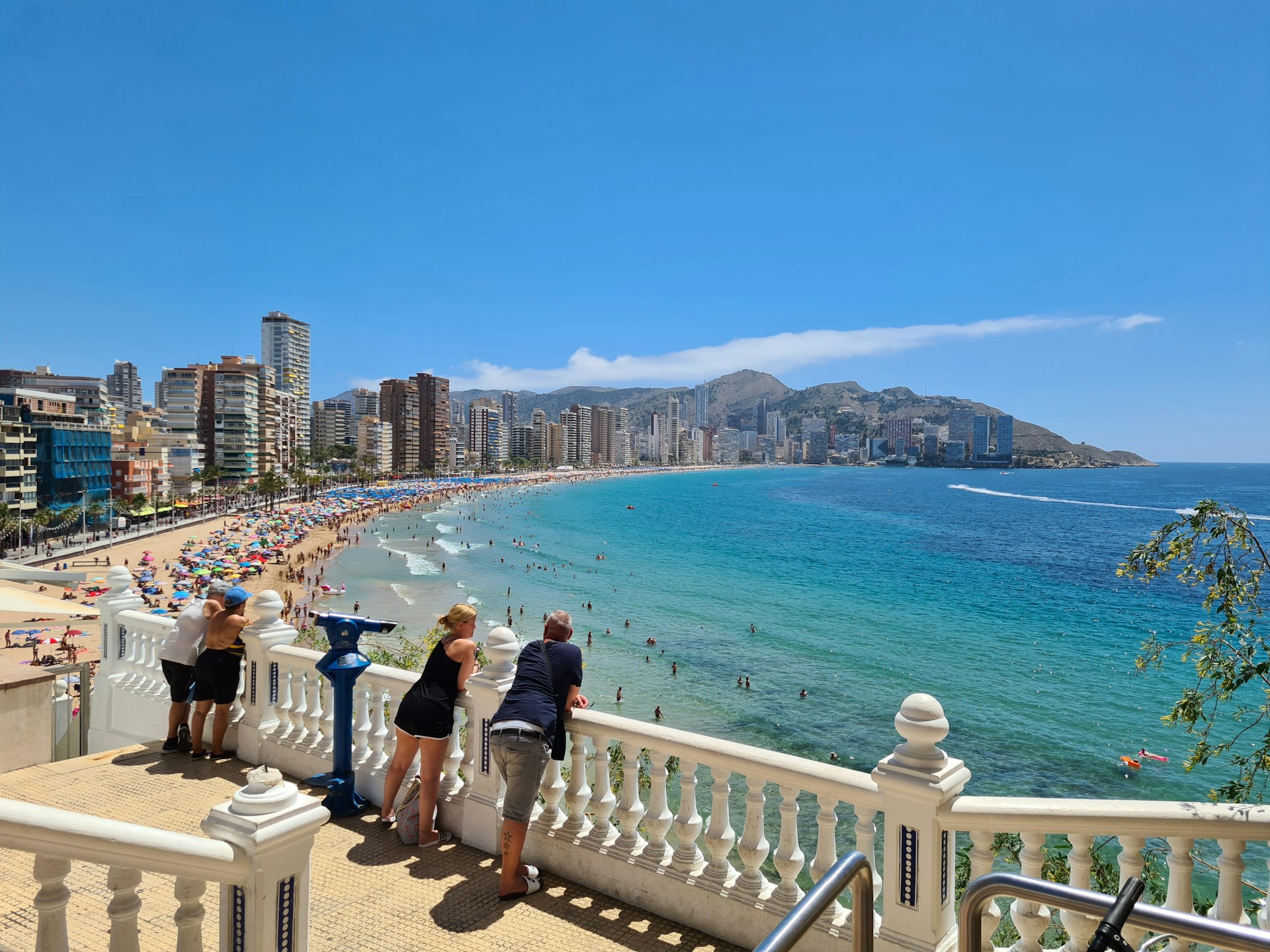
BALI, INDONESIA – Over the past several days, relentless monsoon rains have triggered severe flooding across Bali, disrupting daily life, damaging critical infrastructure, and inundating popular tourist districts.
Authorities report that the sheer volume of precipitation has overwhelmed local drainage systems and caused rivers to breach their banks, leading to flash floods and landslides in the Badung, Gianyar, and Denpasar regencies.
Extreme Rainfall and Weather Dynamics
According to Indonesia’s Meteorology, Climatology, and Geophysics Agency (BMKG), the island is witnessing rainfall significantly above seasonal averages. In some regions, over 100mm of rain fell within a single three-hour window.
Officials attribute this extreme weather to the peak of the monsoon season, exacerbated by regional atmospheric disturbances.
Despite the storms, temperatures have remained high (30-32°C / 86-90°F), creating intense humidity and further destabilizing the local weather system.
Impact on Infrastructure and Tourism
The National Disaster Mitigation Agency (BNPB) reported that floodwaters reached waist-height in several districts, inundating homes, ancient temples, and major roadways.
Emergency teams have been deployed for evacuations in low-lying neighborhoods.
In international tourist hotspots like Kuta and Seminyak, social media footage showed submerged streets and abandoned motorbikes.
While Ngurah Rai International Airport remains operational, officials have warned of potential flight delays. Some coastal hotels reported water entering ground-floor lobbies, though no widespread structural collapses have been confirmed.
Climate Context and Forecast
The BMKG has issued a high-alert warning for the coming days, citing a continued risk of landslides in upland areas.
While Bali typically experiences a rainy season from November to March, climate scientists emphasize that these events are intensifying.
The IPCC has previously noted that rising global temperatures increase the atmosphere’s moisture capacity, leading to more frequent and violent downpours in tropical zones like Southeast Asia.
Advice for Travelers
Travelers and residents are urged to:
- Monitor real-time updates via the BMKG Info app.
- Avoid non-essential travel to flood-prone river-adjacent areas.
- Anticipate disruptions to ferry and port services between Bali, Lombok, and the Gili Islands.
Sources:
Primary Data: Badung & Denpasar Regency Reports via Badan Penanggulangan Bencana Daerah (BPBD Bali).
Weather Forecasting: Badan Meteorologi, Klimatologi, dan Geofisika (BMKG) Indonesia.
Disaster Management: Badan Nasional Penanggulangan Bencana (BNPB).
Scientific Context: Intergovernmental Panel on Climate Change (IPCC), Sixth Assessment Report (AR6).