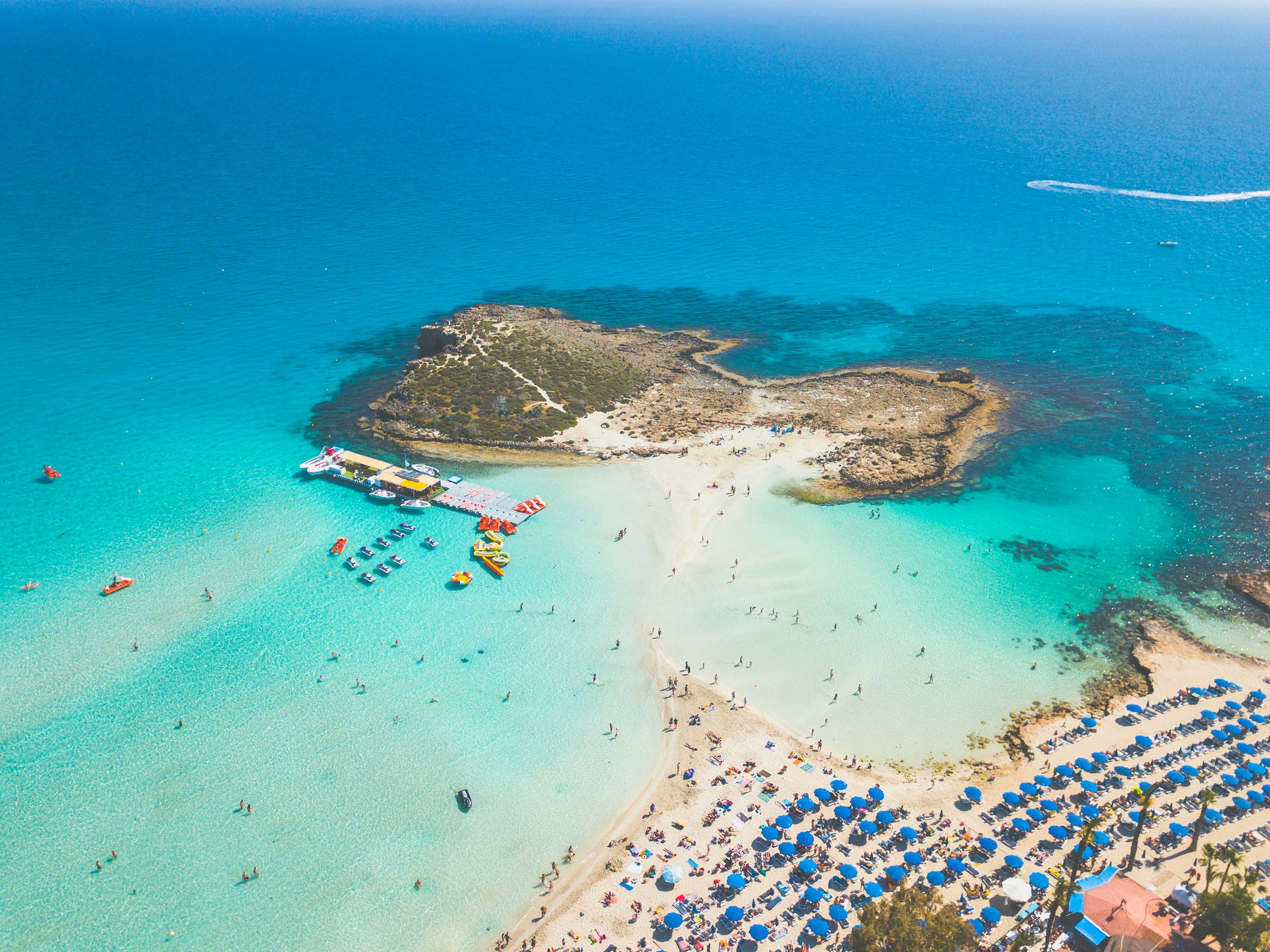
While much of Europe is reaching for coats and umbrellas, Cyprus is enjoying a remarkable spell of sunshine, with temperatures in the mid-20s and beach scenes that look more like July than November.
November is supposed to be the month when Europe starts saying goodbye to the beach. Across much of the continent, days are getting shorter, temperatures are falling and summer clothes are being replaced by coats and sweaters. But in Cyprus, the picture is looking rather different.
Recent scenes shared across social media show sun-drenched beaches, people swimming in the Mediterranean and visitors enjoying long afternoons by the water.
In some of the island’s best-known seaside resorts, including Ayia Napa and Protaras, the atmosphere appears closer to the height of the summer season than to the middle of autumn.
Residents have been describing the feeling as something remarkably close to summer – and the weather helps explain why.
Temperatures along the coast have been reaching around 24-25°C (75-77°F) in the warmest parts of the day, with plenty of sunshine making it feel even warmer.
It is the kind of weather that makes a beach afternoon entirely possible at a time when much of northern and central Europe is already firmly in autumn.
A Mediterranean island refusing to let summer go
Warm November weather is not unusual in Cyprus. The island has one of the warmest autumn climates in Europe, and its official tourism information describes November as a month when sunbathing and swimming are still possible and pleasant.
The long-term figures help put the current conditions into perspective. Average daytime maximum temperatures in November are around 22°C (72°F), while the Mediterranean generally remains above 22°C during the month. That means the sea can retain enough summer warmth to make a swim appealing even as the calendar moves towards winter.
This year’s particularly pleasant spell is giving visitors an opportunity to enjoy the island in a different way. Instead of simply exploring archaeological sites, traditional villages and coastal promenades, travellers can still spend much of the day on the beach – without the intense heat and peak-season crowds that define July and August.
How long can the beach weather last?
There is, of course, a seasonal catch. November in Cyprus is not a guaranteed extension of summer, and the weather can change noticeably from one week to the next.
Sunny, warm days may be followed by cloudier periods, showers and cooler evenings. A light jacket is still a sensible addition to the suitcase, particularly after sunset.
The latest forecasts for the Ayia Napa area point to daytime temperatures remaining around the low 20s in the coming days, although cooler conditions are also possible.
In other words, there is still plenty of reason for optimism, but nobody should book a November beach holiday expecting uninterrupted sunshine.
For travellers willing to accept a little uncertainty, however, this is part of the attraction. A few days of beach weather in November can feel like a bonus – especially for visitors arriving from places where winter is already beginning to make itself felt.
And perhaps that is the most appealing thing about Cyprus at this time of year. While much of Europe is counting down to the first signs of spring, the island is still offering something that feels wonderfully out of season: sunshine, warm sand and the possibility of a swim in the sea, right in the middle of November.